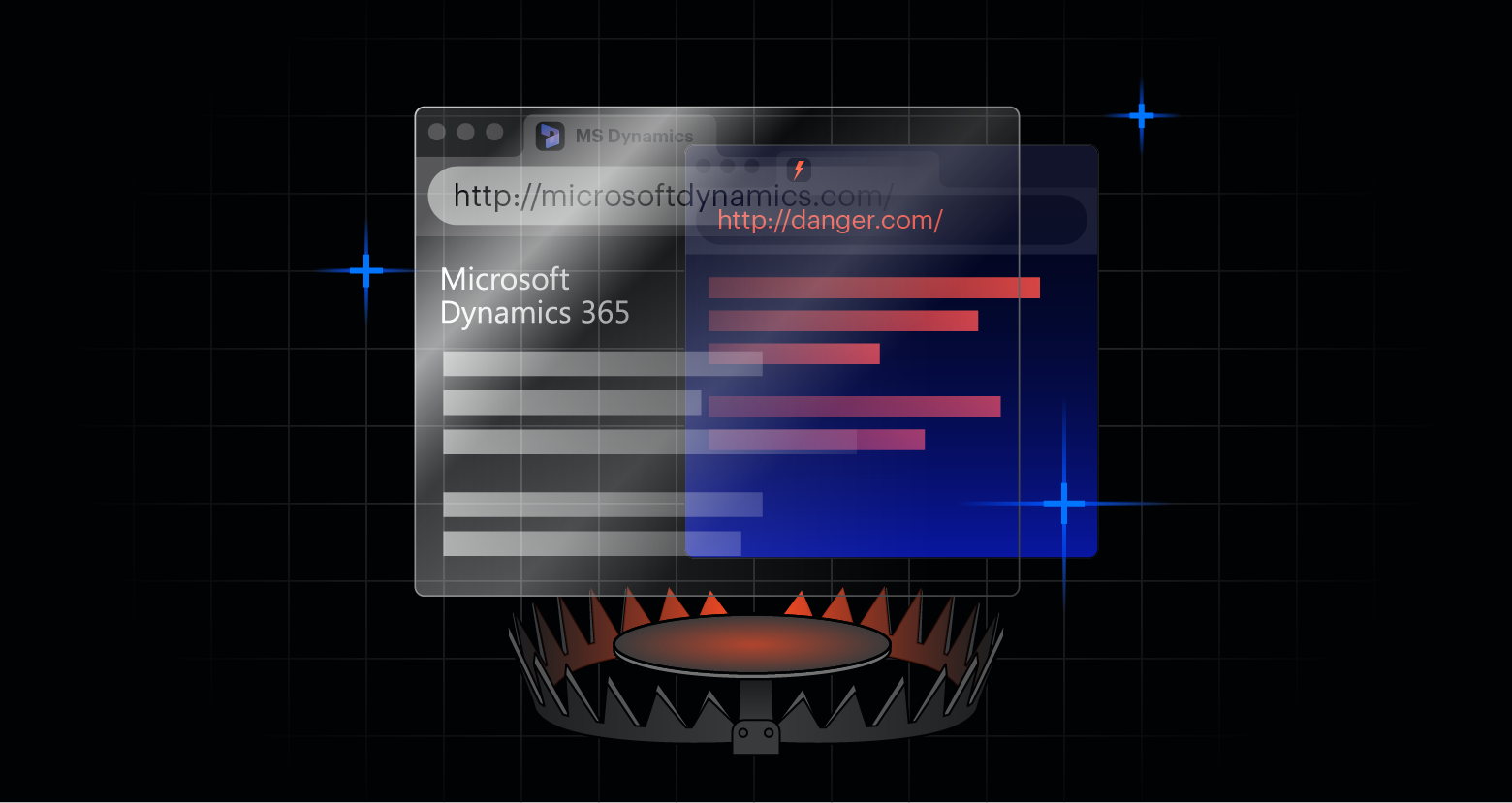
For millions of professionals, their Microsoft 365 account isn’t just email; it’s their digital lifeblood. Documents, communications, client lists – all reside there. Now, this vital hub is under direct assault. The FBI’s recent warning about the Kali365 phishing kit isn’t just another cybersecurity alert; it’s a flashing red siren signaling a fundamental shift in how attackers are compromising cloud environments, specifically targeting the ubiquitous Microsoft 365 suite. The real sting? This isn’t about brute-forcing passwords or tricking you into clicking a malicious link that downloads malware anymore. Kali365 is far more insidious, targeting the very authentication mechanisms designed to keep you safe, like OAuth tokens.
What does this mean for the average user? It means your usual defenses might be falling short. The Kali365 platform, readily available on platforms like Telegram, offers a tiered subscription service that allows even less technically adept cybercriminals to launch sophisticated attacks. We’re talking AI-generated lures, automated campaign templates, and real-time tracking dashboards – all the bells and whistles of a professional hacking operation, packaged for mass consumption. The core of its danger lies in its ability to hijack Microsoft 365 OAuth tokens. Forget intercepting passwords; this bypasses multi-factor authentication (MFA) entirely. This is the digital equivalent of stealing the master key that opens every door in your building, including the ones with complex locks.
The attack chain itself is a masterclass in social engineering and technical exploitation. It starts with a seemingly innocuous email, often impersonating trusted Microsoft services. But instead of asking for credentials directly, it prompts the user to visit a legitimate Microsoft verification page and enter a ‘device code.’ This is where the magic, or rather, the malice, happens. The victim, believing they are simply verifying a device, unwittingly authorizes the attacker’s device to access their account. The attacker then harvests OAuth access and refresh tokens. These tokens act as authenticated sessions, granting persistent access to your Outlook, Teams, OneDrive, and other Microsoft 365 services. No password needed. No MFA challenges. Just a clean, persistent breach.
Why Does This Attack Vector Matter So Much?
Historically, phishing attacks have relied on tricking users into revealing credentials or executing malicious code. MFA, while not foolproof, added a significant hurdle, requiring a second form of verification beyond just a password. OAuth, however, is designed for delegated access – allowing applications to access resources on your behalf without giving them your full credentials. Kali365 twists this mechanism. By capturing OAuth tokens, attackers aren’t impersonating you; they are essentially gaining an authenticated session that your own trusted devices have established. This makes detection much harder. Your security logs might show legitimate authentication events originating from authorized locations, masking the malicious activity.
Think about the implications for businesses. Persistent access to Microsoft 365 means potential exfiltration of sensitive data, intellectual property theft, further lateral movement within the network, or even the ability to disrupt critical business operations. The FBI’s advisory points to this by detailing how Kali365 provides persistent access to targeted individuals’ or entities’ Microsoft 365 environments. This isn’t a fleeting intrusion; it’s a potential long-term occupation of your digital workspace.
How to Defend Against the Kali365 Threat
The FBI’s recommendations are direct and actionable, focusing on granular control within the Microsoft 365 security settings. The key mitigation strategy revolves around restricting the ‘device code flow.’ This is the mechanism that Kali365 exploits. By implementing conditional access policies that block or severely limit this flow, organizations can effectively shut down this specific attack vector. It’s about being proactive and understanding the nuances of cloud authentication protocols. The advice to block authentication transfer policies also adds another layer of defense, preventing users from transferring authentication sessions between devices, which could be another avenue for token abuse.
This is where the market dynamics come into play. Microsoft 365 is a massive ecosystem, and while the platform itself has security features, the responsibility for configuring and managing them often falls on the end-user organization. The proliferation of tools like Kali365 highlights a growing asymmetry: attackers are industrializing their methods, lowering the barrier to entry for sophisticated attacks, while defenders are often playing catch-up with complex configurations. It’s a race that requires continuous vigilance and an understanding of the evolving threat landscape, moving beyond basic credential protection to understanding session management and token security.
We’ve seen phishing evolve dramatically over the years, from simple email scams to highly targeted spear-phishing campaigns. Kali365 represents the next evolutionary leap, where the attack doesn’t target the user’s knowledge (or lack thereof) as much as it targets the inherent trust placed in authentication protocols. The ease with which this can be deployed, especially through subscription services, is a worrying trend that suggests we’ll see more sophisticated, token-based attacks emerge in the near future. This isn’t just about Microsoft 365; it’s a broader indicator of how cloud identity management itself is becoming a primary battleground for cybercriminals.
The FBI recommends restricting device code flow to limit or block device authentication codes, and creating a conditional access policy to block device code flow for all users.
The implications are clear: organizations need to move beyond perimeter security and basic endpoint protection. They need to invest in understanding their cloud identity and access management configurations. The financial incentives for attackers are clearly outweighing the perceived risks, especially with tools that democratize advanced attack capabilities. This threat isn’t going away; it’s just getting smarter, and its reach is expanding with every organization that relies on cloud-based productivity suites.
🧬 Related Insights
- Read more: TrueConf’s Poisoned Updates Infect Southeast Asian Gov Networks
- Read more: Canvas Breach: US House Demands Instructure Testimony
Frequently Asked Questions
What exactly is Kali365? Kali365 is a phishing-as-a-service platform that provides cybercriminals with tools to conduct sophisticated phishing attacks, primarily targeting Microsoft 365 accounts by hijacking OAuth tokens.
Can Kali365 bypass multi-factor authentication (MFA)? Yes, Kali365 is designed to bypass MFA by capturing OAuth tokens, allowing attackers persistent access to accounts without needing passwords or MFA verification.
What should I do if I suspect my Microsoft 365 account has been compromised by Kali365? Immediately contact your IT security team or Microsoft support. Change your password, review connected applications and devices, and enable MFA if it isn’t already active. Report the incident to the FBI’s Internet Crime Complaint Center (IC3).