Everyone expected phishing to get stealthier, sure. We braced for more sophisticated social engineering, for deeper impersonations, for the usual cat-and-mouse game. But this? This is a quantum leap. We’re not talking about a few bad actors scraping by; we’re witnessing the hijacking of enterprise workflows themselves. Attackers aren’t just borrowing trust anymore; they’re weaponizing the very scaffolding of our digital lives, using legitimate Microsoft infrastructure as their launchpad.
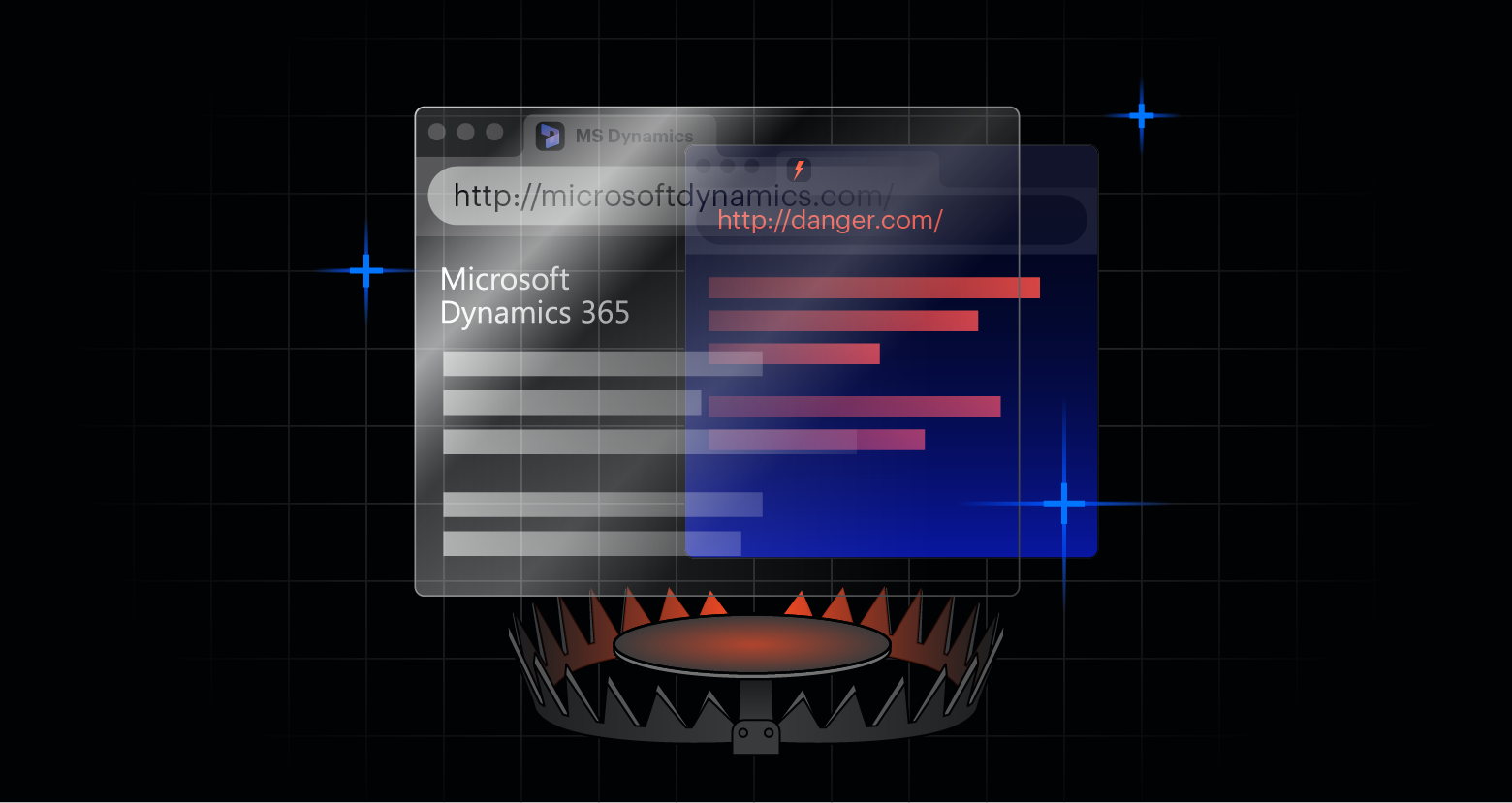
This isn’t just a new trick in the playbook; it’s a fundamental platform shift. Think of it like this: for years, we’ve been reinforcing the walls of our digital castles, focusing on keeping invaders out. Now, the invaders have figured out how to disguise themselves as the royal decree, issuing commands from within the castle walls using official stationery. The 2026 campaign Varonis intercepted, for instance, didn’t bother with fake domains or stolen credentials. It simply piggybacked on Microsoft Dynamics 365 Marketing’s legitimate redirect functionality. The result? 862 phishing emails, all originating from a single, seemingly innocent Dynamics tenant, slipping past traditional defenses like a phantom.
The anatomy of this attack is chillingly elegant.
Redirects as Delivery Infrastructure
Every single phishing email contained a click-tracking URL hosted on mkt.dynamics.com. This is the bread and butter of legitimate marketing campaigns – used to gauge engagement and track where recipients end up. Except, here, the “downstream destination” was a payload designed to compromise. The beauty of it for the attacker is that these URLs were hosted entirely on Microsoft’s own infrastructure. They weren’t trying to fool security scanners with slightly misspelled domains; they were using the real deal, the very same URLs your sales team might use. This bypassed entire layers of domain reputation checks.
Per-Recipient Tokenization and Tracking
What’s truly next-level here is the per-recipient tokenization. Instead of using a single, reusable link, the attackers generated unique redirect tokens for every single recipient. Even if multiple victims were directed to the same final phishing page, each link was subtly different. This did two critical things: it hobbled detection methods that rely on blacklisting reused malicious URLs, and it allowed for granular tracking. Varonis could see the msdynmkt_digest and related parameters being used, indicating the attackers were meticulously logging who clicked, when, and which specific malicious payload they received. This isn’t some script kiddie operation; it’s professional, systematic cybercrime.
Concealed Payload Delivery
The real phishing destination was hidden deep within double-encoded URL parameters. To any email security tool glancing at the link, it was just a harmless Microsoft redirect. Only upon decoding would the true, attacker-controlled domain—often hosted in multiple global regions to further obscure origins—be revealed. This separation of the trusted delivery mechanism (Microsoft) from the malicious payload hosting allowed attackers to swap out their final destinations on a whim without ever altering their initial, seemingly legitimate outreach.
Impact Analysis: A Broad Sweep
This wasn’t a targeted assault on a single industry. Varonis saw this campaign ripple across dozens of accounts, hitting manufacturing, public sector, finance, construction, and IT firms. It was a broad, almost indiscriminate attack designed for maximum reach. The data is stark: Manufacturing & Industrial (23%), Public Sector and Education (19%), Financial Services & Insurance (14%), Construction and Engineering (13%), IT, Cloud, and Cybersecurity (12%). No one was safe.
Why Dynamics 365 Keeps Appearing in Phishing Campaigns
Microsoft Dynamics has been a recurring theme in phishing for years, and for good reason. It’s deeply integrated into enterprise workflows, it carries immense built-in trust, and it’s widely adopted. Crucially, these attacks don’t exploit vulnerabilities in the software itself; they exploit the implicit trust users place in it. Microsoft itself flagged similar tactics back in 2018 with fake invoice scams. This latest campaign, however, moves beyond simple impersonation to outright weaponization of the platform’s core functionalities, like its Customer Voice surveys or document delivery mechanisms.
This campaign succeeds by dismantling common assumptions in email security: that trusted domains are safe, that SaaS redirects are benign, and that static reputation alone is enough. When the malicious payload is delivered after a legitimate redirect, many security solutions are simply too late—or never even look at the final destination.
This is the AI-powered future of threats: not just mimicking human behavior, but hijacking legitimate, trusted systems. It’s a stark reminder that the platforms we rely on for efficiency and collaboration can, with a twist, become our greatest vulnerabilities. We’re not just fighting malware anymore; we’re fighting the very fabric of our digital infrastructure.
The URLs were hosted entirely on Microsoft‑owned infrastructure, allowing them to pass basic domain reputation checks and appear legitimate to both users and security scanners.
This is a critical point. It shifts the battleground from blocking known bad actors to scrutinizing the behavior of legitimate systems when they’re being misused. The challenge for security vendors and organizations alike is immense. How do you differentiate between a legitimate marketing email and a phishing attack when both are using the same trusted Microsoft domain?
Is This the End of Email Security as We Know It?
Perhaps not the end, but a radical evolution is certainly upon us. Traditional email security solutions, built on lists of known bad domains, IP addresses, and signature-based detection, are increasingly outmatched. The weaponization of SaaS platforms like Microsoft Dynamics means attackers are leveraging an ever-shifting landscape of legitimate infrastructure. This demands a move towards more sophisticated behavioral analysis, AI-driven threat detection that can spot anomalies in platform usage, and dynamic link analysis that can unpack and inspect the true destination before a user clicks. It’s about understanding intent, not just identity.
Why Does This Matter for Developers?
For developers, this highlights a critical blind spot: the “trusted platform” problem. When building integrations or leveraging SaaS APIs, the assumption is often that the platform itself is secure and its infrastructure is inherently trustworthy. This campaign proves that assumption is dangerously naive. Developers need to incorporate strong security checks not just for their own code, but for how their applications interact with third-party services, especially those that involve user redirects or data transmission. Understanding the full chain of trust, from the initial API call to the final user experience, is paramount. It means thinking about potential abuse vectors for every feature exposed via API or user-facing links.
🧬 Related Insights
- Read more: Hospitals Are Ransomware Bait—Mock Drills Could Be Their Lifeline
- Read more: ChatGPT’s Secret Backdoor: Your Private Chats Are Leaking Out
Frequently Asked Questions
What does abusing Microsoft Dynamics redirects mean? It means attackers are using legitimate features within Microsoft Dynamics 365 Marketing, specifically its email tracking and redirection system, to send users to malicious websites instead of legitimate ones.
Will this kind of attack affect my business? Yes, any business using Microsoft Dynamics 365 Marketing or similar SaaS platforms for customer outreach is potentially vulnerable. The attack demonstrated broad impact across various industries.
How can I protect myself from these kinds of attacks? Organizations need to implement advanced threat detection that analyzes link behavior and destination after the initial redirect, alongside user training to be wary of unexpected links, even if they originate from trusted platforms.