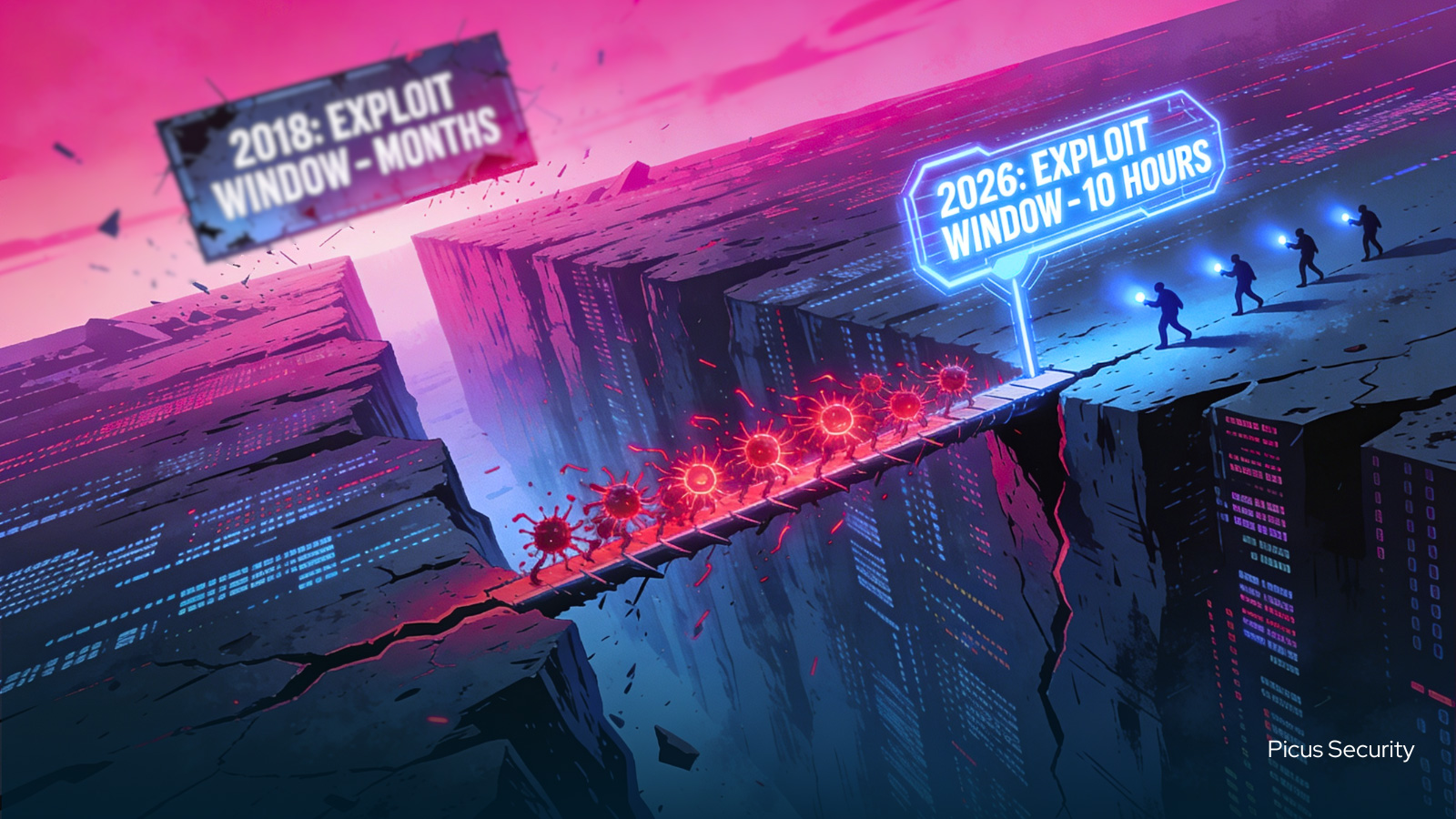
Look, we’ve all been here. The endless stream of CVEs, the frantic scramble to patch, the nagging feeling that you’re always a step behind. For years, the mantra has been ‘patch everything.’ It’s a noble, if utterly impossible, goal. But Tenable Research, bless their data-crunching hearts, just dropped a report that basically tells us to burn that mantra to the ground. They’ve built this fancy graph model, and it’s not just about listing vulnerabilities; it’s about showing you who’s actually using them against folks like us.
What was everyone expecting? Probably more of the same. More data, more charts, more advice to prioritize. But what this really does is slap a face and a motive onto the endless cascade of zero-days and old exploits. It’s no longer just a number; it’s the specific ransomware gang or nation-state APT that has this vulnerability in their sights and, more importantly, in your network.
The ‘Patch Everything’ Funeral
This report makes it abundantly clear: your vulnerability management strategy needs an overhaul. The old approach, relying on generic severity scores and a prayer, is as effective as a screen door on a submarine. Tenable’s graph links over 600 tracked threat groups to vulnerabilities found in 7,800 customer environments. The kicker? A staggering 68% of these organizations are sitting on at least one CVE that a named adversary has already exploited. And 321 of those groups? They can reach into at least one of these environments right now with an active vulnerability. So, yeah, the days of throwing patches at the wall and hoping for the best are officially over. It’s about focused, threat-driven remediation.
The “Elite Arsenal” Problem
And then there are the real heavy hitters. Tenable’s identified 242 ‘Elite Arsenal’ CVEs – the ones that are not only critical but also actively exploited and known to be in the CISA KEV list. Nearly all of these are lurking in the studied customer base, with 241 out of 242 actively detected. We’re talking about vulnerabilities that have been around for half a decade or more, yet are still being weaponized by everyone from nation-state actors to your garden-variety ransomware crews. It’s a stark reminder that the oldies are often the goodies for attackers.
“More than half are five or more years old, and 78% of the persistently exploited core are simultaneously weaponized by nation-state APTs, commodity malware operators, and ransomware gangs.”
This isn’t just theoretical. This is about your critical infrastructure, your customer data, your entire business potentially being held hostage by an exploit that’s been sitting around so long it’s practically a historical artifact, yet still a potent weapon. Who is making money here? The attackers, obviously, who profit from the defenders’ inability to keep up.
Beyond the CVE: The Hidden Dangers
But here’s where things get really interesting, and frankly, a little terrifying. The report highlights that non-CVE exposures – things like misconfigurations, weak credentials, and just plain old end-of-life software – are everywhere. We’re talking virtually 100% of the organizations studied. And more than half of those carry a misconfiguration or weakness that a tracked threat actor favors. The preliminary modeling even suggests these non-CVE issues might pose more risk than traditional CVEs. The problem? There’s no industry-standard way to score or prioritize them. It’s a Wild West out there, and attackers know it.
This whole exercise, mapping threat actors to vulnerabilities and then to actual customer environments, is a direct response to the escalating chaos. We’ve got AI churning out new vulnerabilities faster than we can track them, NIST deciding to cut back on the very data we rely on, and attackers getting better and faster at exploiting the gaps. The Verizon DBIR collaboration pointed out that exploitation is now the leading way attackers get in, and our patching times are getting longer. It’s a perfect storm, and Tenable is trying to give us a compass.
Who Actually Profits from This Data?
So, who benefits from this elaborate mapping? On the surface, it’s us, the defenders, armed with a more precise understanding of our risk. But let’s be real: Tenable is selling a product. This deep dive into threat intelligence and customer environments is precisely what their platform is built to do. They’re positioning themselves as the ones who can translate this overwhelming threat landscape into actionable insights, and for that insight, someone has to pay. The real money, however, remains with the attackers who exploit the vulnerabilities that companies fail to prioritize or fix, whether they’re CVEs or simple misconfigurations.
Is this the silver bullet? Probably not. The threat landscape is a hydra, and new heads will sprout. But it’s a significant step beyond just listing vulnerabilities and hoping for the best. It’s about understanding the ‘why’ and the ‘who’ behind the attacks, and using that intelligence to make smarter, more impactful security decisions. For too long, we’ve been fighting shadows. Now, at least, we’re starting to see the faces of the ones casting them.
🧬 Related Insights
- Read more: [2026] China-Linked Hackers Use New TencShell Malware
- Read more: KnowledgeDeliver Zero-Day Used for Web Shells
Frequently Asked Questions
What does Tenable’s graph model actually do? It maps over 600 threat groups to specific vulnerabilities and misconfigurations found in real customer environments to help prioritize remediation efforts based on actual exploitation risk.
Will this mean fewer patches are needed? No, but it means the patches applied will be more strategic, focusing on vulnerabilities actively exploited by known threat actors, rather than a scattershot approach.
Are non-CVE exposures more dangerous than CVEs? Preliminary modeling suggests they may confer more breach risk, and they are universally present, but there’s no standard scoring for them yet.