The quiet hum of servers in a data center now feels like the distant rumble of an approaching tidal wave. That wave? AI agents, and they’re not just coming for your spreadsheets; they’re rewriting the rules of enterprise access, automation, and frankly, the very definition of a security threat.
Look, we’ve talked about APIs for ages. They’re the connective tissue of modern software, the invisible threads weaving together applications and services. But now, imagine that connective tissue is being supercharged, not just by human hands, but by autonomous digital assistants. This isn’t some far-off sci-fi flick; it’s happening now, and it’s forcing a seismic shift in how we think about API security.
The core problem, as this new research lays bare, is shockingly simple: visibility. If you can’t see your APIs, you can’t secure them. And with AI agents — both good guys and bad guys — zipping around your network, creating and interacting with APIs at a dizzying pace, this isn’t just a visibility problem anymore; it’s a gaping black hole in your security posture.
The Acceleration Engine of Risk
APIs have always been the juicy target, right? They expose data, they expose business logic. But AI? AI takes that from a brisk jog to a full-blown Usain Bolt sprint. Attackers are using AI to find endpoints faster than ever before. They’re simulating abuse paths, automating attacks that used to require an entire team of highly skilled hackers, and doing it all with an efficiency that frankly, should make every CISO lose a little sleep.
But here’s the twist that’s really got me buzzing: it’s not just the attackers. Our own internal AI agents, those shiny new tools promising to boost productivity, are often being granted alarmingly broad access. Think of it like giving a hyper-intelligent intern the keys to the kingdom, then forgetting to change the locks after they leave. They’re generating more API traffic, often with permissions that would make a seasoned sysadmin sweat.
So, what we’re facing isn’t just more traffic, it’s fundamentally uncertain traffic. Adversaries are armed with better tools, and our own automated systems are becoming powerful, potentially unruly, actors on the network.
What Keeps CISOs Up at 3 AM?
The truly terrifying stuff isn’t always the flashy headline-grabber. It’s the quiet, insidious erosion of control. An AI agent with way too many permissions. A forgotten “shadow” API lurking in the digital ether. A seemingly innocent API call that’s actually being abused to quietly hoover up sensitive data, or worse, to chain together a series of unauthorized actions. These aren’t abstract fears; they’re the daily grind of modern cybersecurity.
And when these agents are armed with API tokens that have wide-open access and expiration dates measured in geological eras? That’s a recipe for disaster. We’re talking about data exfiltration that flies under the radar, unauthorized financial transactions, compliance nightmares, and operational surprises that can cripple a business before anyone even realizes what hit them.
If your API security program is stuck in the past, unable to spot these anomalies early, your business is essentially an open book with the pages already torn out.
Is This a Platform Shift? Absolutely.
This isn’t just another incremental update to our security toolkit. This is a fundamental platform shift, akin to the move from on-premise servers to the cloud, or the explosion of the mobile internet. AI agents are creating a new paradigm of interaction and automation, and APIs are their primary vehicle.
What good looks like, according to the experts guiding us through this new reality, is a practical, actionable model. Forget the noise; we need clarity.
This model needs to do a few key things:
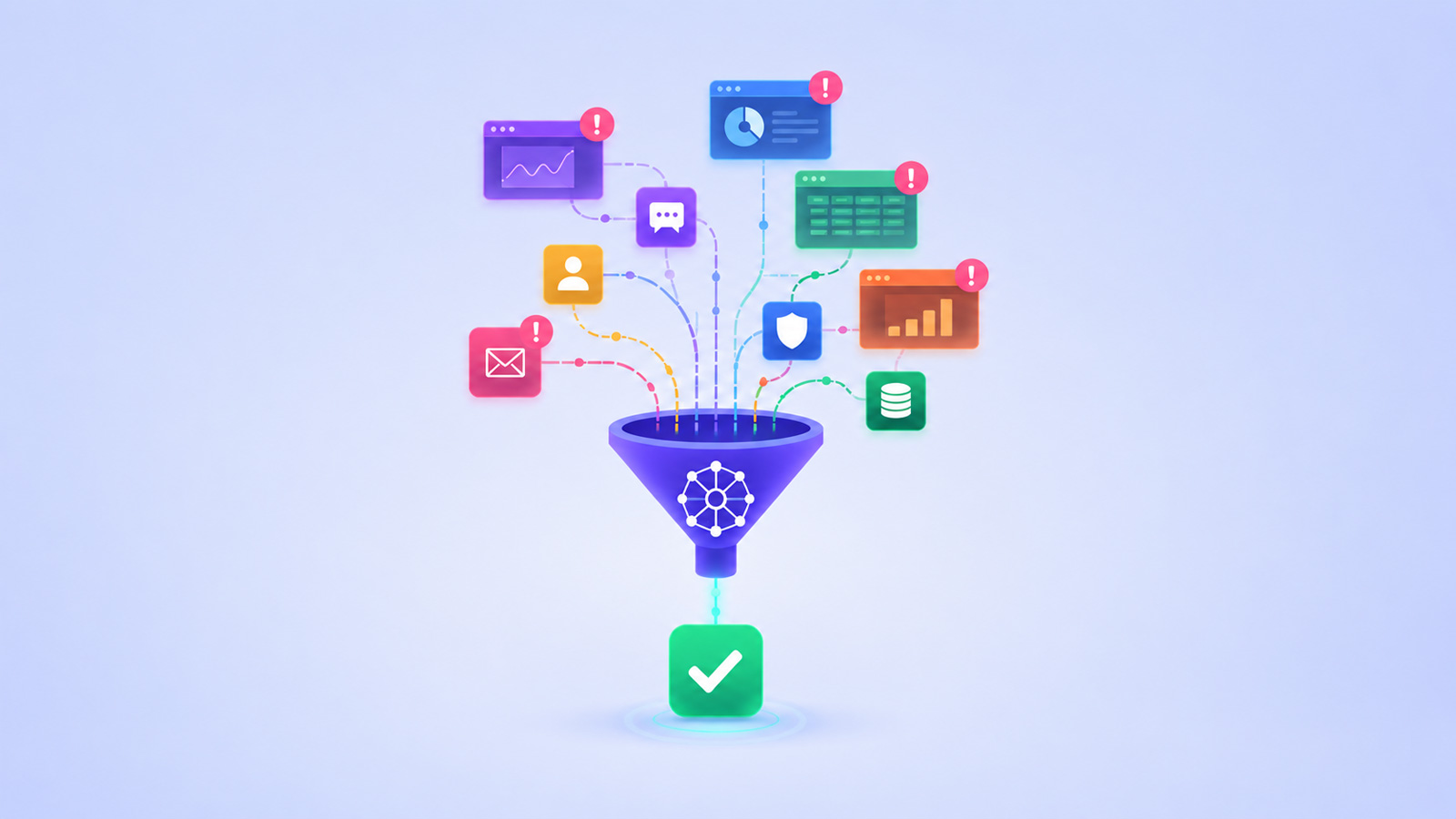
- Discover, Discover, Discover: You need to know every single API that exists in your environment. No more blind spots.
- Classify with Precision: Not all APIs are created equal. You need to know which ones hold the crown jewels.
- Baseline Normal: What does your API traffic normally look like? AI can help establish this, but only if you’re watching.
- Detect the Weird: Spotting deviations from that baseline is key. Abnormal behavior is the siren song of a potential breach.
- Enforce Least Privilege: This is non-negotiable for AI agents. Give them only what they need.
- Revoke Swiftly: If an agent goes rogue or its permissions become a liability, you need to shut it down, fast.
This is how you transform AI agent activity from a terrifying unknown into a manageable, measurable aspect of your security operations.
The board conversation has changed. This is no longer just a technical issue for engineering or operations. Boards care about risk, control, and business impact.
Exactly. The days of explaining network segmentation to the board are over. Now, it’s about understanding how these autonomous agents are interacting with your most critical assets and what the tangible business risks are. How many AI-agent-facing APIs are we monitoring? What anomalous calls have we flagged? How quickly can we pivot when something looks off? This is the new language of boardroom security.
The guide being offered here — A CISO’s Guide to API Security in the Age of AI Agents — is designed to cut through the hype and provide that practical playbook. It dive into why AI agents are amplifying API risk, not replacing it. It connects the dots between technical API security and those crucial business and board-level concerns. And it offers a roadmap for governing agent-driven access before it becomes a business-ending exposure.
AI agents are here to change how we work. But the organizations that finally get a handle on their APIs, that truly understand their digital bloodstream, will be the ones that remain in control of their destiny.
🧬 Related Insights
- Read more: TeamPCP’s Trivy Rampage: EU Cloud Breached, 1,000+ SaaS Targets Quantified
- Read more: Google Exposes UNC6783: Chat-Phishing Extortion Wave Hits BPOs Where It Hurts
Frequently Asked Questions
What does this mean for my job? This shift means that understanding and securing APIs, especially in the context of AI agent activity, will become an increasingly critical skill. Roles focused on API governance, security automation, and AI risk management will likely grow in importance.
Will AI agents make my existing API security tools obsolete? Not necessarily obsolete, but likely insufficient on their own. Traditional API security tools might struggle with the scale, speed, and autonomous nature of AI agent interactions. You’ll likely need solutions that offer advanced behavioral analytics, AI-driven threat detection, and dynamic policy enforcement specifically designed for this new landscape.
How can I start securing my APIs against AI agent abuse? The first step is gaining comprehensive visibility into all your APIs. Next, classify them by sensitivity, establish baselines for normal behavior, and implement strong monitoring to detect anomalies. Crucially, ensure all AI agents operate under the principle of least privilege and have mechanisms for rapid permission revocation.