Everyone expects IT teams to be ninjas, effortlessly swiveling between complex systems during a crisis, a whirlwind of keystrokes and command lines. The reality, as a new webinar is set to highlight, is far more bogged down. Instead of swift, decisive action, responders are mired in a tedious dance between monitoring dashboards, infrastructure sprawl, identity systems, and communication platforms. It’s the digital equivalent of trying to assemble a jigsaw puzzle during an earthquake, with half the pieces scattered and no clear picture in sight.
This isn’t just about a minor inconvenience; it’s a fundamental architectural shift in how organizations manage security and operational incidents. As businesses pile on more specialized SaaS tools and cloud services – a perfectly reasonable move for improving specific functions – they inadvertently create friction points in the critical moments when things go sideways. The assumption was that more specialized tools meant better, deeper insights. The unintended consequence? A fractured operational landscape that actively hinders the very responsiveness they’re supposed to enable.
The Great Tool Fragmentation of ‘26
On June 2nd, BleepingComputer is hosting a webinar featuring Tines’ Edgar Ortiz, a Solutions Engineering Leader, to tackle this escalating problem head-on. The session, “From alert to resolution: Fixing the gaps in network incident response,” isn’t just about complaining about tool overload; it’s about diagnosing why this fragmentation cripples even sophisticated IT departments. The core issue is this: as organizations adopt more and more monitoring, infrastructure, and operational platforms, responders are increasingly burdened with the manual, Sisyphean task of stitching together context, figuring out who owns what, prioritizing threats, and coordinating actions across disparate teams.
Think about it. An alert fires. Is it a false positive? A genuine intrusion? A misconfiguration? To get that answer, you might need to check your SIEM, then pivot to your cloud provider’s logs, cross-reference with your identity provider for user context, then jump to Slack or Teams to ping a colleague, and maybe update a ticketing system. Each hop is a chance for delay, a chance for misinterpretation, a chance for the adversary to deepen their foothold. This isn’t a hypothetical; it’s the daily grind that bleeds into costly outages and service disruptions.
As organizations continue adopting additional monitoring, infrastructure, and operational platforms, responders are increasingly required to manually collect context, determine ownership, prioritize incidents, and coordinate actions between teams.
This quote, directly from the webinar announcement, is the crux of the problem. It’s the human cost of hyper-specialization in our tech stacks. We built these tools to make things easier, but in practice, they’ve created more silos, demanding more mental gymnastics from already stressed teams.
Automation: The Digital Bridge Builder
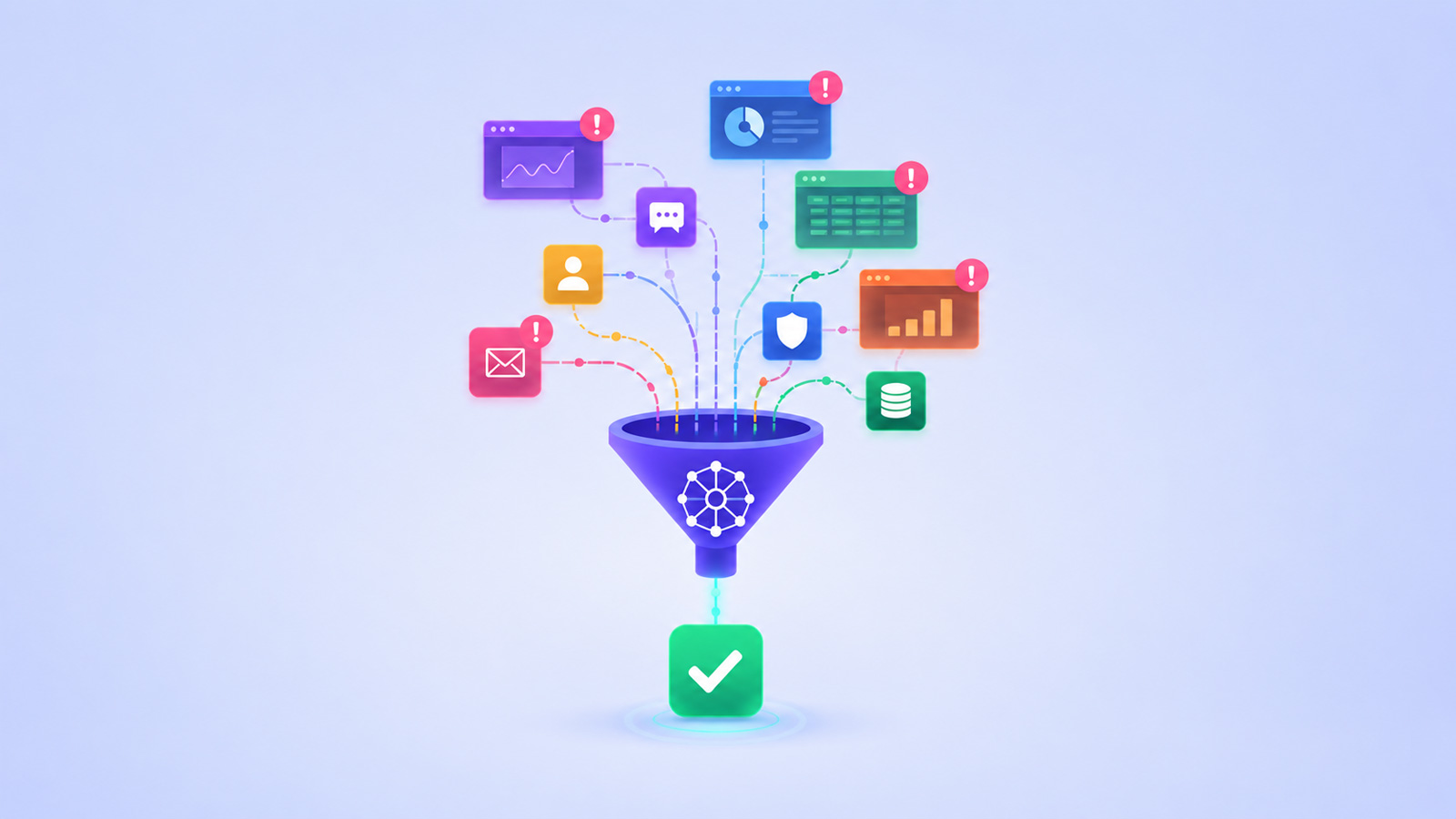
The promise Tines and others in the automation space are making is clear: build a bridge over these operational chasms. The webinar will explore how automation and AI-assisted workflows can act as that digital bridge, pulling relevant data from each siloed system into a coherent, actionable narrative. It’s about reducing the manual coordination, streamlining the investigation, and ultimately, making teams more effective when the stakes are highest.
This isn’t about replacing human ingenuity or expertise. Far from it. It’s about freeing up that expertise from the drudgery of context-switching and repetitive data aggregation. Imagine an alert coming in, and instantly, your system has enriched it with user identity details, relevant network traffic patterns, and threat intelligence indicators. The human responder can then focus on analysis and decision-making, not on playing digital detective across a dozen different interfaces.
Will This Change How We Respond?
Historically, incident response has been a mix of highly skilled individuals and playbooks. But as the complexity and volume of threats grow, and the number of tools proliferates, playbooks alone aren’t enough. The architectural shift here is from a human-centric, manual process to an intelligent, automated orchestration layer that augments human capabilities. It’s a move from “I have a tool for X, Y, and Z” to “I have a system that orchestrates X, Y, and Z for me.”
Ortiz is expected to detail how organizations can automatically enrich alerts, prioritize incidents without manual routing, and move from fragmented investigation to coordinated resolution. The implication is that many of the delays we currently attribute to human error or insufficient training are, in fact, baked into the very architecture of our incident response workflows. Fixing the tools, or rather, fixing how we use the tools in concert, is the next frontier.
It’s a compelling argument, and one that many in the trenches will likely find resonates deeply. The challenge, as always, will be in the implementation. But the underlying principle—that automation can be the glue holding our increasingly fragmented security operations together—is sound. This webinar isn’t just another session on a new product; it’s a critical look at the operational friction created by our own technological progress.
Key Takeaways from the Webinar’s Premise:
- The proliferation of monitoring and operational tools has created fragmented workflows that slow down incident response.
- Manual context gathering, ownership determination, and coordination across systems are major bottlenecks.
- Automation and AI-assisted workflows offer a path to streamline investigations and improve operational coordination.
- The goal is to augment human expertise, not replace it, by offloading repetitive data aggregation tasks.
🧬 Related Insights
- Read more: Bluekit Phishing Kit Adds AI Assistant, Threatens Real People
- Read more: [2026] Microsoft April Patch Tuesday: 167 Flaws, 2 Zero-Days Fixed
Frequently Asked Questions
What is Tines? Tines is an automation platform that helps organizations connect their systems to automate repetitive operational tasks and streamline workflows, including incident response.
How does automation help with network incident response? Automation helps by quickly gathering and correlating data from different tools, enriching alerts with relevant context, and automating initial triage and routing steps, thereby reducing manual effort and speeding up investigation.
Will this webinar replace my job? No, the webinar focuses on how automation can augment human roles in incident response, making IT professionals more efficient and allowing them to focus on higher-level analysis and decision-making rather than manual data collection.