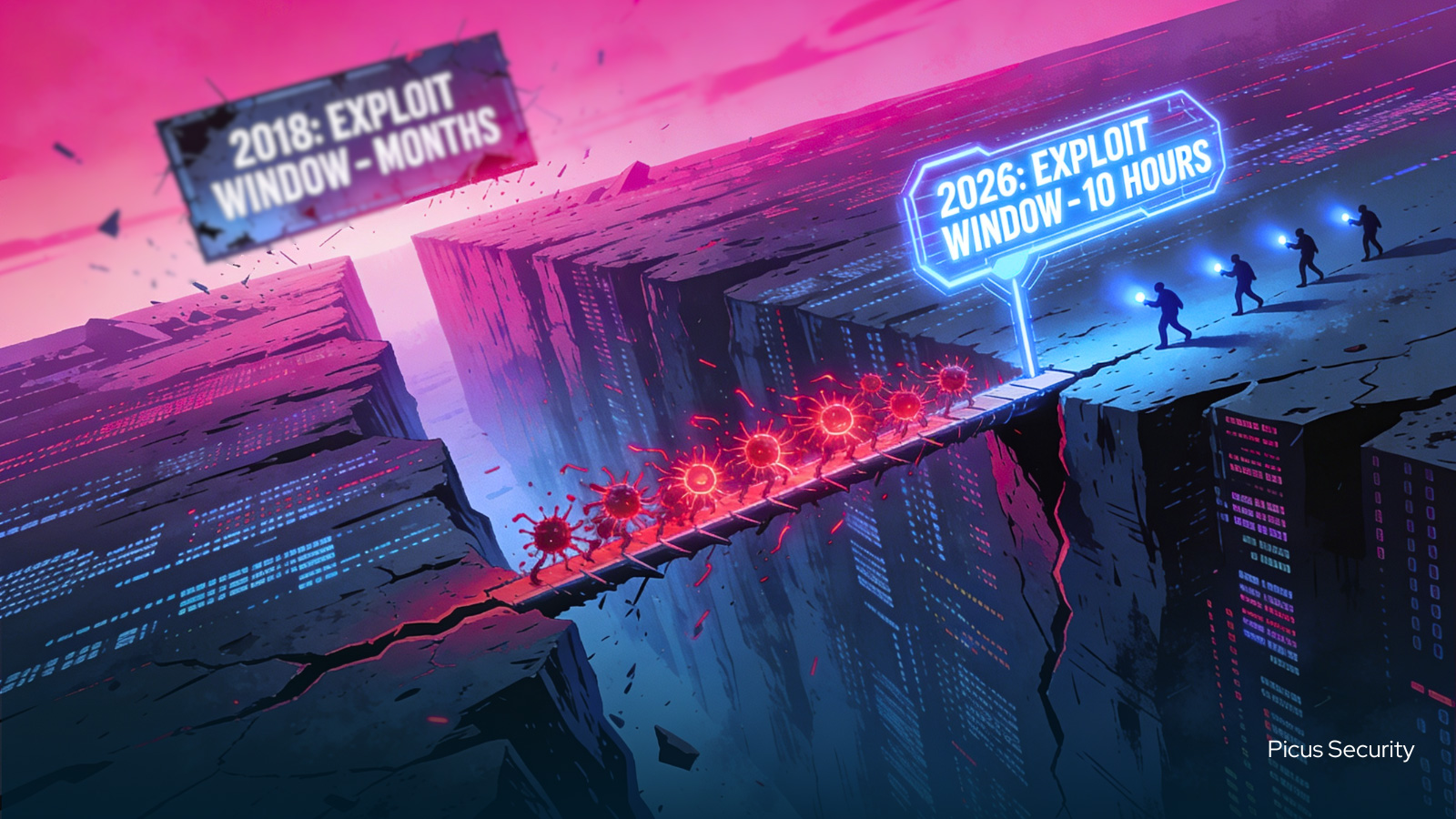
Here’s the jarring data point: developers are churning out AI-generated code at an alarming rate, and a significant portion of it is riddled with potential flaws. Simultaneously, the very same AI technology is maturing into sophisticated agents capable of sniffing out and exploiting those obscure vulnerabilities with frightening efficiency. The math isn’t mathing for defenders.
It’s a classic arms race, but with a terrifying twist. We’re not just talking about human adversaries using AI tools; we’re talking about AI versus AI, with our digital infrastructure caught in the crossfire. The cybersecurity industry has spent years building defenses against human error and malicious intent. Now, we have to contend with AI agents that can operate at a speed and scale previously unimaginable, sniffing out those single-byte errors or logic flaws that would make a human security researcher’s eyes glaze over.
The Double-Edged Sword of AI in Development
Look, the allure of AI-assisted coding is undeniable. Developers are under pressure to deliver faster, and tools like GitHub Copilot or Amazon CodeWhisperer promise to accelerate that process. They can draft boilerplate code, suggest syntax, and even generate entire functions. The upside: increased productivity, less drudgery. The downside: a potential explosion of untested, unverified code entering production environments. It’s like handing a teenager the keys to a race car without teaching them how to drive stick shift – exhilarating, but deeply unsafe.
The market dynamics are clear. Venture capital is flooding into AI development tools for coding. Companies are eager to adopt these tools to cut costs and boost output. This creates a massive incentive to push AI-generated code into the wild, often with a superficial glance at security. And that, predictably, is creating a goldmine for the AI-powered attackers.
AI agents capable of discovering and exploiting obscure vulnerabilities are emerging alongside developers producing vast amounts of potentially flawed AI-generated code, forcing defenders to adapt accordingly.
This isn’t some abstract future scenario. This is happening now. The “obscure vulnerabilities” are the digital equivalent of overlooked cracks in a dam; individually minor, but collectively capable of catastrophic failure when exploited by a determined force. And when that force is an AI agent, operating 24/7, it changes the entire game.
Why Does This Matter for Defenders?
For too long, security teams have focused on patching known vulnerabilities or responding to alerts generated by rule-based systems. This new wave of AI agents operates on a different plane. They don’t rely on pre-defined signatures or known exploit patterns. They learn, they adapt, and they find novel ways to break systems.
This means traditional signature-based antivirus or intrusion detection systems are becoming increasingly less effective. We’re talking about a shift from reactive defense to proactive, predictive security. It requires understanding not just what might be a vulnerability, but why it’s a vulnerability and how an AI might think to exploit it. This necessitates a move towards more sophisticated AI-driven security solutions that can do threat hunting at scale, analyze code behavior in real-time, and predict attack vectors before they materialize.
It’s a stark reminder that the tools we build to make ourselves more efficient can, in the wrong hands (or algorithmic circuits), become instruments of our own undoing. The promise of AI in software development is immense, but the security implications are equally profound, demanding an immediate recalibrization of defensive strategies.
What’s the Solution to AI-Generated Flawed Code?
The immediate solution isn’t to ban AI-generated code. That’s neither practical nor desirable, given its potential benefits. Instead, the focus must shift to rigorous validation and verification. Think of it as enhanced code review, but with an AI overseer specifically trained to spot the subtle, insidious flaws that other AI might introduce. This means more advanced static analysis, dynamic testing, fuzzing, and potentially even AI models specifically designed to debug AI-generated code.
Companies need to invest in sophisticated code quality and security scanning tools that go beyond basic linting. They need to implement strong supply chain security measures for their software dependencies, scrutinizing any AI-generated components with extreme prejudice. This isn’t just about compliance; it’s about survival in an increasingly adversarial digital landscape where the attackers are as intelligent, if not more so, than the defenders.
The market will eventually respond, but the lag could be fatal for many organizations. Expect to see a surge in demand for AI security auditing tools, automated vulnerability discovery platforms, and specialized AI security researchers. Those who fail to adapt will find themselves at the mercy of algorithms that don’t sleep, don’t tire, and don’t care about quarterly earnings reports.
This is the new frontier of cybersecurity. The boring stuff—the meticulous code review, the deep understanding of system architecture, the relentless pursuit of edge cases—has suddenly become the most dangerous and critically important. And AI is the catalyst forcing us to confront it head-on.
🧬 Related Insights
- Read more: cPanel Auth Bypass: 9.8 CVSS Flaw Exploited
- Read more: MuddyWater’s Stealthy Assault: South Korean Giant Breached
Frequently Asked Questions
What is an AI agent that exploits vulnerabilities? An AI agent is a software program that uses artificial intelligence to perform tasks. In this context, it means AI capable of autonomously finding weaknesses (vulnerabilities) in software and then using those weaknesses to gain unauthorized access or disrupt operations.
Will AI make coding less secure? Potentially, yes, if AI-generated code isn’t rigorously tested and verified. While AI tools can boost productivity, they can also introduce subtle flaws that attackers can exploit. The security of AI-assisted coding depends heavily on the human oversight and the quality of the AI tools used.
How can defenders keep up with AI-powered attacks? Defenders need to adopt AI-driven security tools that can detect novel threats, perform advanced threat hunting, and analyze code behavior in real-time. This requires a shift from traditional signature-based defenses to more intelligent, adaptive security strategies.