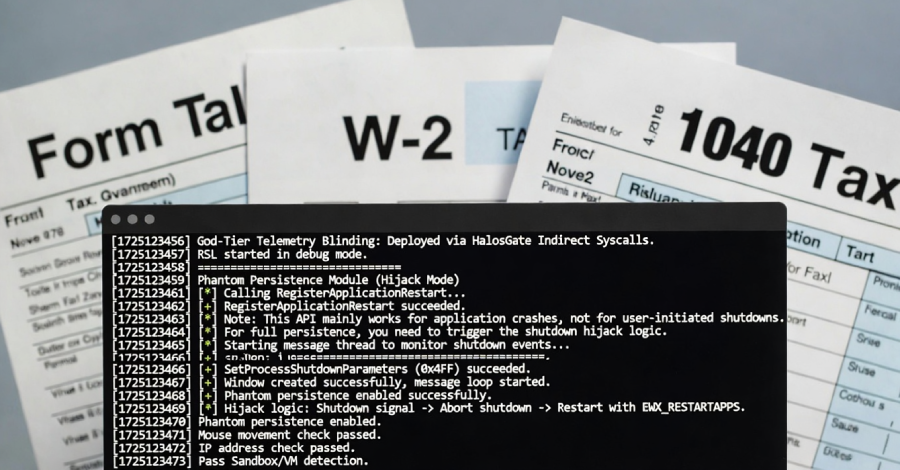
We all expected something, didn’t we? Maybe a sophisticated zero-day, a brazen supply chain attack, or perhaps another round of the usual espionage theater. Instead, we get tax forms. China-backed Silver Fox, also known as APT41 or Winnie Winnie the Pooh’s favorite hackers, has unleashed a surprisingly drab — yet undeniably effective — campaign.
They’ve pumped out over 1,600 socially engineered messages. All dressed up as official tax communications. The targets? Organizations in India and Russia. The payload? Previously undocumented backdoors and malware. Specifically, ABCDoor and ValleyRAT. Suddenly, your inbox feels a lot less like a professional network and a lot more like a minefield.
The Grand Deception: Tax Season as the New War Zone
This isn’t just sloppy phishing. This is a calculated move. By leveraging the universal dread and confusion surrounding tax obligations, Silver Fox is exploiting a psychological vulnerability. Who wouldn’t click a link if it promises to clarify a confusing tax code or offer a refund? It’s brilliant. And terrifying.
The group’s sophistication is on full display, even with such an unglamorous theme. They’re not just blasting out generic spam. These messages are crafted to look legitimate, designed to bypass even cautious eyes. The goal? To plant ABCDoor, a new backdoor, and ValleyRAT, along with other malicious software. Once inside, these tools likely give Silver Fox extensive access. This is no longer about petty theft; it’s about strategic infiltration.
Why This Matters for the Unwary
For too long, we’ve focused on the flashy cyberattacks. The ones that make headlines and inspire Hollywood thrillers. But the real danger often lies in the mundane. The tax scam. The fake invoice. The ‘urgent security alert.’ These are the Trojan horses of the digital age. And Silver Fox is a master craftsman.
This campaign underscores a critical point: nation-state actors aren’t always looking for the most technically complex exploit. They’re looking for the easiest way in. And often, that’s through human error. The sheer volume of messages suggests a broad net. They’re casting wide, hoping for a bite from any unsuspecting employee in a finance department or even executive suite. It’s a numbers game, played with phishing emails.
A New Weapon in the Arsenal?
What’s particularly concerning is the introduction of ABCDoor. Its undocumented nature means defenders are likely scrambling to understand its capabilities. Is it a simple backdoor, or something more insidious? Does it exfiltrate data? Can it be used to pivot to other networks? The silence from researchers is telling. It’s new. It’s unknown. It’s dangerous.
And ValleyRAT? The name itself sounds innocuous, doesn’t it? Like a cute little rodent scurrying through your network. But RATs, in the cybersecurity world, stand for Remote Access Trojan. These are the tools that let attackers take full control of a system. From logging keystrokes to watching your webcam, the possibilities are chillingly broad. Silver Fox isn’t just knocking; they’re bringing their own set of keys.
This campaign is a stark reminder that the threat landscape is always shifting. And sometimes, the most potent weapons are hidden in plain sight, disguised as the everyday annoyances of modern life. Tax season just got a whole lot more interesting. And not in a good way.
My unique insight here? This isn’t just a new attack vector; it’s a masterclass in societal engineering. By weaponizing the bureaucratic chaos that plagues every nation, Silver Fox sidesteps the need for zero-days and instead exploits the universal human tendency to procrastinate and fear missing out on financial benefits. They’re playing the long game, and frankly, they’re winning.