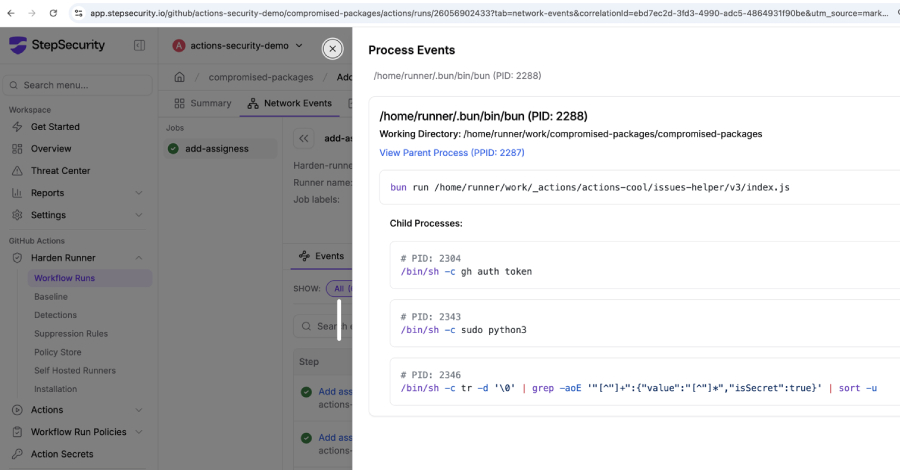
So, what does it mean for the folks actually writing code, the ones pushing commits at 3 AM fueled by lukewarm coffee? It means that the very tools designed to make building software faster and more efficient are now themselves the entry points for some seriously nasty actors.
This isn’t some distant, abstract threat; it’s about code you might be using, dependencies you might have pulled in, being subtly poisoned. Megalodon, as the researchers are calling it, isn’t just a few folks messing around. We’re talking about thousands of repositories hit in a six-hour window. That’s not a gentle tap; that’s a battering ram.
Who’s Actually Making Money Here?
This is where my ears perk up. You see these attacks, you see the alerts, and you have to ask: who profits? SafeDep, the outfit that found this mess, is in the business of finding and reporting these things. Good for them. But the real money? That’s made by the attackers, of course. They’re after your secrets – your AWS keys, your Google Cloud tokens, your SSH private keys, your database connection strings. All the juicy stuff that unlocks the kingdom. And if they can’t cash out directly, there are always the dark web marketplaces, where stolen credentials are the hot commodity.
It’s a grim business model, but undeniably effective. And the sheer scale of Megalodon suggests a well-resourced, organized operation, not just script kiddies. They’re using forged identities—think build-bot, auto-ci—and throwaway GitHub accounts. They’re smart enough to make it look like routine maintenance. Crafty, I’ll give them that.
Is Your Codebase Safe From This Supply Chain Scourge?
This whole saga reeks of a new era in supply chain attacks. We saw hints of it with TeamPCP weaponizing open-source tools, and now this. It’s like a digital contagion spreading through the interconnected web of software development. The attackers aren’t just breaking into one system; they’re injecting malicious code into the very heart of how software is built and distributed.
“We’ve entered a new supply chain attack era, and TeamPCP compromising GitHub was only the beginning. What’s coming next is an endless wave, a tsunami of cyber attacks on developers worldwide.”
That quote, from Moshe Siman Tov Bustan at OX Security, is a stark warning. It’s not hyperbole; it’s the chilling reality. The developers I’ve spoken with over the years – the ones sweating over deadlines, the ones who believe in the collaborative power of open source – are the primary targets. And the potential for exploitation is immense.
One of the interesting things here is the attacker’s playbook. They’re using different workflow triggers. SysDiag, for instance, fires on every push and pull request. That’s broad. Optimize-Build, though, is smarter. It’s triggered manually, on-demand. This sacrifices a bit of reach for… well, for operational security. If you’re only triggering it when you know there’s a good chance of snagging valuable secrets, you’re less likely to be noticed. And with thousands of repositories compromised, even a small success rate from those targeted triggers is more than enough to keep the operation lucrative.
Think about it: 5,718 commits. Most developers don’t have the luxury of meticulously auditing every single commit in every single dependency they use. We trust the ecosystem. And when that trust is betrayed on this scale, the fallout is… significant.
Why Does This Matter for Developers?
This attack targets the CI/CD workflows. That’s where the magic—and now, the danger—happens. These are the automated processes that build, test, and deploy your code. If an attacker can inject malicious code into a GitHub Actions workflow, they can hijack those pipelines. They can exfiltrate secrets before they even get deployed. They can potentially alter your code as it’s being built. It’s like letting the fox not just into the henhouse, but into the very plans for the henhouse.
And the data being exfiltrated? It’s the keys to the kingdom. Not just your cloud credentials, but also SSH keys, OIDC tokens, and anything that looks like a secret according to over 30 regex patterns. They’re not just looking for easy wins; they’re casting a wide net for anything valuable.
The response from platforms like npm—invalidating tokens, urging users toward better practices like Trusted Publishing—is a necessary stopgap. But, as Socket pointed out, it doesn’t “close the underlying hole.” It buys time, sure. But the attacker, still out there, will simply go back to harvesting new tokens as soon as they’re issued. It’s a whack-a-mole game, and the moles are getting smarter.
This attack, Megalodon, is a stark reminder that the software supply chain isn’t just an abstract concept for security whitepapers; it’s the messy, interconnected reality of how modern software gets made. And right now, that reality is looking pretty grim.