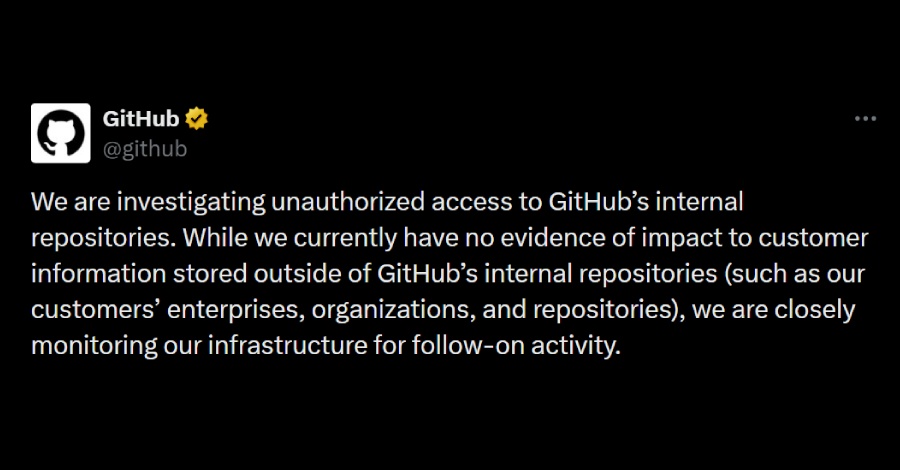
For the average user of Grafana — the folks charting server loads, monitoring application performance, or just trying to keep the digital lights on — this news might initially feel distant. But here’s the human impact: your tools, the very bedrock of your digital operations, have been poked and prodded by malicious actors. It means the confidence you place in your infrastructure’s transparency has been shaken, even if your personal data wasn’t directly scooped up.
This whole mess boils down to a domino effect, a digital game of Jenga where one improperly secured block caused a cascade. It started with the TanStack supply-chain attack, where attackers — seemingly aligned with the ‘TeamPCP’ group — injected malicious code into several popular npm packages. Think of these packages as pre-built Lego bricks for developers. When Grafana, like countless other organizations, pulled one of these compromised bricks into its automated build process (specifically, a GitHub workflow), the malware embedded within activated.
And here’s where the technical plumbing gets interesting: the malware was designed to snatch GitHub workflow tokens. These tokens are essentially master keys, granting access to private code repositories and CI/CD pipelines. Grafana detected the attack on May 1st and, commendably, kicked off their incident response. This plan included a mass rotation of these precious GitHub tokens. Imagine changing the locks on your entire building, but then realizing you missed one back door.
That’s precisely what happened. One token, deemed ‘not impacted’ in an initial sweep, had in fact been compromised. The attackers, still holding that golden ticket, waltzed right into Grafana’s private GitHub repositories. It’s a stark reminder that in the complex dance of security automation, human oversight — or the lack thereof — can unravel even the most strong plans. It’s not just about having the tools; it’s about using them with unwavering diligence.
The company’s statements have been clear: no customer production systems or data were affected. The source code itself wasn’t altered, meaning any code users downloaded during the incident is safe. This is good news, obviously. But the attackers didn’t just grab code; they pilfered operational data. This includes business contact names and email addresses. While Grafana stresses this isn’t sensitive customer data, it’s still an intel goldmine for future phishing or social engineering attacks.
Why Does This Matter for Developers?
Look, for developers, this is more than just a news blurb. It’s a visceral illustration of the risks inherent in modern software development. The reliance on open-source packages, the automation of build and deployment pipelines via tools like GitHub Actions — these are the engines of speed and efficiency. But they’re also vectors for attack. The TanStack incident, and Grafana’s subsequent breach, underscore a critical architectural shift: the perimeter has dissolved. Security isn’t just about protecting your servers anymore; it’s about scrutinizing every single dependency, every single automated process, and every single credential.
This incident, in my view, is a microcosm of a larger trend. We’ve moved into an era where supply-chain attacks aren’t an edge case; they’re becoming the playbook. The initial compromise of TanStack packages wasn’t a novel attack vector; it was a well-worn path. The real vulnerability was the reliance on a system that, while designed for efficiency, had a critical blind spot in its token rotation protocol.
“We performed analysis and quickly rotated a significant number of GitHub workflow tokens, but a missed token led to the attackers gaining access to our GitHub repositories,” reads Grafana’s update.
This quote, folks, is the gut punch. It’s the confession of a single point of failure that had outsized consequences. It’s a proof to how a seemingly minor operational lapse can create a gaping security hole. The automated pentesting tools that are supposed to catch these things? They’re often designed to answer a different question: ‘Can an attacker move through the network?’ not ‘Did your automated processes introduce a weakness?’
What Can We Learn From This Breach?
Beyond the immediate fallout for Grafana, this incident serves as a loud, flashing warning sign. For organizations leaning heavily on CI/CD and third-party libraries, a more rigorous approach to dependency management and credential rotation is non-negotiable. This means not just automated token rotation, but potentially multi-factor authentication for service accounts, stricter access controls, and continuous, deep auditing of workflow logs. It’s about building resilience not just into your product, but into the very processes that build your product.
The attackers, it seems, weren’t just rummaging for code. They were looking for intelligence. By exfiltrating business contacts, they’re laying the groundwork for more targeted social engineering campaigns down the line. This is the insidious nature of modern cybercrime – it’s not just about smashing and grabbing; it’s about systematically gathering intel for future operations. It’s a strategic, long-term game, and this breach is just one move.
So, what’s the takeaway for the rest of us? It’s that the digital supply chain is as fragile as the physical one. And in this interconnected world, the security of your systems can be compromised by the weak link in someone else’s chain, which then becomes a weakness in your own, all because a single digital key was left unturned.