The glow of a laptop screen, the stale air of a newsroom, the digital phantom of a data breach. This is where the story begins, not with a bang, but with a whisper on a cybercrime forum.
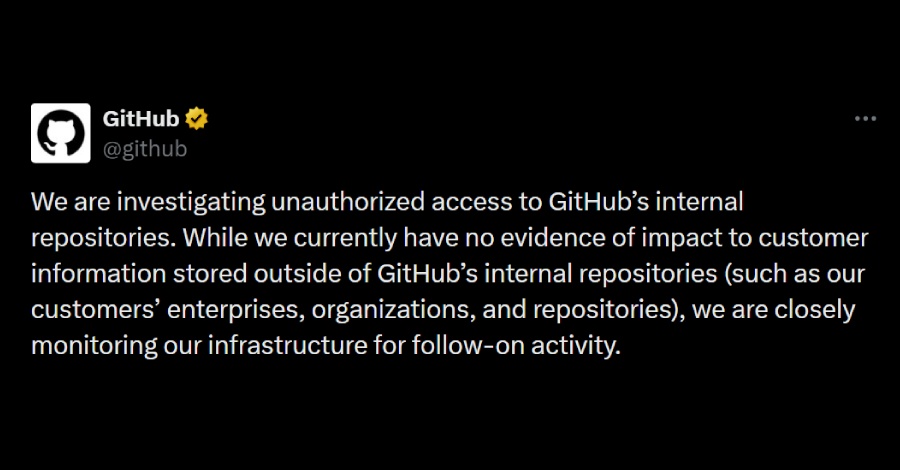
GitHub is apparently having a rough Tuesday. The company confirmed it’s looking into claims that a notorious group known as TeamPCP managed to snag thousands of internal code repositories. Yep, the crown jewels, or at least a hefty chunk of them, might be for sale for a cool $50,000. Who’s buying? That’s the real question, isn’t it?
Look, this isn’t some petty data theft. TeamPCP isn’t asking for a ransom; they’re just looking to cash out or, failing that, leak it all. “As always, this is not a ransom,” the group reportedly posted, screenshots of which are making the rounds. “We do not care about extorting GitHub, 1 buyer and we shred the data on our end, it looks like our retirement is soon so if no buyer is found, we leak it for free.” Translation: they’re either retiring or dropping a digital bomb.
The Supply Chain Creeps In
This whole kerfuffle conveniently drops right on the heels of TeamPCP’s ongoing shenanigans with software supply chain attacks. Remember Mini Shai-Hulud? That self-replicating malware campaign. It just got a nasty upgrade with the compromise of durabletask, an official Microsoft Python client. Three versions – 1.4.1, 1.4.2, and 1.4.3 – are now carrying malware, according to Wiz.
How did they get in? The usual suspects: compromised accounts, dumped secrets, and then, bam, access to PyPI tokens. It’s a classic tale of infiltration, a digital domino effect where one weak link snaps the entire chain. The malware itself is a sophisticated little beast, designed to snag credentials for cloud providers, password managers, and developer tools, then beam it all off to the bad guys. And get this – it only runs on Linux systems. Fancy that.
It’s not just stealing passwords, either. This thing pokes around HashiCorp Vault, tries to crack open 1Password and Bitwarden vaults, and messes with SSH keys, Docker creds, and even your shell history. It’s like a digital magpie, hoarding anything shiny it can find.
Propagation and the “FIRESCALE” Trick
Now, for the truly unsettling part: propagation. If the infected machine is chugging along in AWS, it’s busy spreading itself to other EC2 instances via SSM. In Kubernetes? It uses kubectl exec. And if it detects Israeli or Iranian system settings, there’s a 1-in-6 chance it plays an audio file and then just nukes the entire system with rm -rf /*. Charming.
They’re not just randomly blasting out commands. The propagation script uses SendCommand with the AWS-RunShellScript document to hit up to five other EC2 instances per profile. It downloads the payload from a primary C2, but if that goes dark, it falls back to a secondary domain. They’ve even figured out a way to find backup command-and-control addresses by scouring GitHub’s public commit messages for a specific pattern: “FIRESCALE .“. It’s a clever, albeit terrifying, use of public data.
And because this worm piggybacks on stolen tokens, the affected package count is expected to climb. Any machine or pipeline that pulled one of these infected versions needs to be considered thoroughly compromised. Peyton Kennedy from Endor Labs pointed out the sheer reach: “The package is downloaded roughly 417,000 times a month, and the malicious code runs automatically the moment the package is imported, with no error messages and no visible signs of compromise.” No alarms, no flashing lights, just silent compromise. Perfect.
So, here we are. GitHub, a company built on code, is facing claims that its own code has been compromised. TeamPCP, a group that thrives on breaking code, is trying to sell it. And in the middle of it all, developers using libraries like durabletask are left wondering if their own systems are now little more than stepping stones for the next attack. Who’s actually making money here? The threat actors, and potentially, any buyer with enough cash and a severe lack of scruples.
This isn’t just about GitHub’s internal code; it’s a stark reminder that the trust we place in our development tools, in the very building blocks of our digital world, is as fragile as ever. We hand over secrets, tokens, and access, hoping for the best, but often getting the worst. It’s a game of digital whack-a-mole, and the moles, it seems, are getting smarter and more brazen.
And what about those stolen secrets? The article mentions they are dumped from a repository to which the user had access. This implies a potential insider threat or, more likely, a successful phishing or account takeover that granted initial access. The chain of compromise is always fascinating, if depressing, to trace.
The persistence of these supply chain attacks, and the sheer audacity of targeting a platform like GitHub, signals a maturing of the threat landscape. These aren’t just script kiddies anymore; they’re organized, they’re sophisticated, and they’re targeting the very infrastructure developers rely on. This trend is likely to accelerate, making strong security practices not just a good idea, but an existential necessity.
What Does This Mean for Developers?
For developers, it’s another nail in the coffin of complacency. Trust, but verify, as they say. This means scrutinizing dependencies more than ever, using security scanning tools religiously, and keeping a hawk eye on any suspicious activity within your development pipelines. The burden of security, it seems, continues to shift further left – onto the developers themselves.
This incident also underscores the importance of zero-trust architectures and strong credential management. If secrets are leaked from repositories, it suggests that access controls weren’t granular enough, or that the secrets themselves weren’t properly secured. Think about it: if a single user’s compromised account can spill secrets that grant access to publish malicious code, the whole system is built on shaky ground.
🧬 Related Insights
- Read more: Attackers Taunt Honeypots with Absurd Logins – And They’re Winning
- Read more: Storm-1175’s 24-Hour Ransomware Blitz: N-Days to Nightmare
Frequently Asked Questions
What exactly did TeamPCP claim to steal from GitHub? TeamPCP claimed to have gained unauthorized access to approximately 4,000 of GitHub’s internal repositories and is offering the source code and internal organization details for sale.
Could this breach affect my company’s code on GitHub? GitHub stated there is currently no evidence of impact to customer information or repositories stored outside of GitHub’s internal infrastructure. However, they are closely monitoring for any follow-on activity.
How does this connect to the durabletask compromise?
The durabletask package compromise is part of TeamPCP’s broader supply chain attack campaign. Attackers reportedly compromised a GitHub account, accessed secrets from a repository, and then used those credentials to publish malicious versions of the durabletask Python package.