So, GitHub got hacked. Again. This time, it wasn’t some shadowy nation-state actor or a zero-day exploit hitting their perimeter. Nope. It was a stolen VS Code extension. An extension most developers probably use without a second thought, which is exactly why this is so infuriating.
We’re talking about the Nx Console extension, or rather, a trojanized version of it. The story goes that one of the developers working on this tool had their machine compromised, likely in the wake of that recent TanStack mess that swept through OpenAI and others. From there, it was just a matter of time before the attackers, calling themselves TeamPCP, pushed out a malicious update.
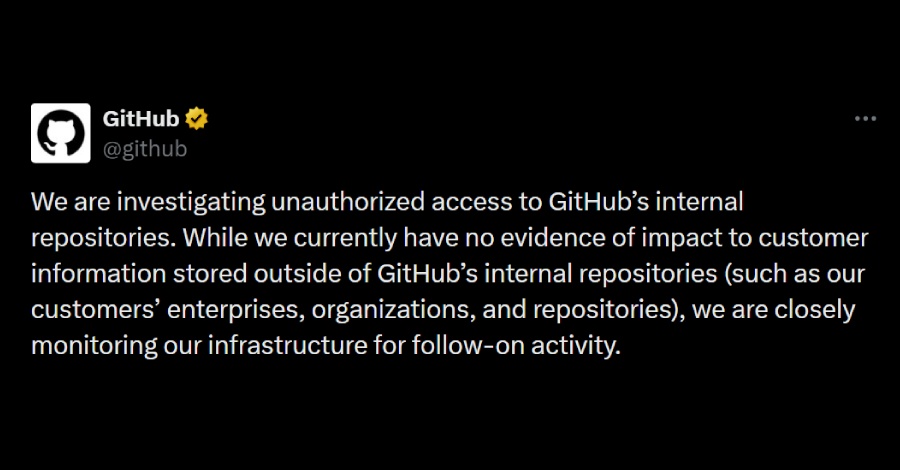
This poisoned extension sat on the Visual Studio Marketplace for a blink-and-you’ll-miss-it eighteen minutes. Eighteen minutes. Long enough for it to burrow into GitHub’s internal systems and squirrel away some 3,800 repositories. GitHub’s official line is that customer data outside their internal repos is safe. They did mention, however, that some internal repos do contain customer info, like excerpts from support interactions. If they find anything, they’ll, you know, notify people. Eventually.
The ‘Trusted Tool’ Attack Vector
The sheer audacity of it is almost admirable, if you weren’t the one whose data was being snatched. They disguised a credential-stealing package as a routine setup task. Imagine that. You’re just trying to get your work done, updating your tools, and boom – you’ve just handed over the keys to your kingdom. This attack use the most basic assumption developers make: the tools they rely on are, well, reliable.
This isn’t just about GitHub. It’s about the crumbling trust in the open-source ecosystem. Jeff Cross, co-founder of Narwhal Technologies (the outfit behind Nx), hit the nail on the head. He’s talking about needing “deeper, more fundamental changes to how we and other maintainers need to think about securing developer tooling.” They’re even talking to other big open-source players about this. Because, as he put it, “A lot of the assumptions the ecosystem has operated under for years no longer hold.”
It’s the interconnectedness of everything, right? Break one link, and the whole chain rattles. TeamPCP isn’t playing small ball; they’re targeting the very software that builds our software. It’s a self-sustaining cycle of compromise. And the auto-update feature, bless its well-intentioned heart, becomes the attacker’s best friend.
Why Does Auto-Update Matter Here?
Raphael Silva, a security researcher, pointed out the obvious: “Every popular extension marketplace ships with auto-update on by default.” It makes sense on paper. Nobody wants to be stuck with outdated, vulnerable code. But when you factor in compromised publishers, it’s a direct express lane for malware. An attacker controlling a release gets instant access to every machine running that extension. And the marketplaces? They don’t exactly have rigorous review gates before an update goes live and starts downloading. It’s a free-for-all, and we’re the ones paying the price.
My take on this whole mess? For twenty years, I’ve watched Silicon Valley chase shiny new objects. We build increasingly complex systems, layering trust upon trust, and then we’re surprised when a single, poorly secured layer crumbles. This Nx Console incident is a stark reminder that the foundation of our digital world – the developer tools – is as vulnerable as any other piece of infrastructure. And the people making money here? The attackers, for one. And eventually, the security companies selling the ‘solutions’ to problems like this, problems we shouldn’t even be having in the first place.
Who is Actually Making Money?
This brings us back to the perennial question: who benefits? Right now, it’s TeamPCP, profiting from stolen data and the disruption they cause. Longer term, the cybersecurity industry thrives on these kinds of breaches. Companies will spend billions to “secure” their supply chains, often with tools and services that are only marginally better than what failed previously. Meanwhile, the actual developers, the ones who create the software, are left to clean up the mess and live in a constant state of anxiety. The real money is in maintaining the status quo of vulnerability, not eliminating it.
The Road Ahead
GitHub says it’s taken steps, rotated secrets, and is monitoring. Standard procedure. But the underlying problem isn’t going away. The pressure on open-source maintainers to produce features versus securing their tools is immense. And the reliance on automated updates means a single compromise can ripple outwards at lightning speed. We need more than just patches and notifications; we need a fundamental re-evaluation of how we distribute and trust software in the first place. Something tells me that’s not on the roadmap for Q3.
And frankly, it’s the individual developer’s system that’s often the weakest link. A compromised laptop, a phishing email that actually works, and suddenly you’re the entry point for a massive supply chain attack. The focus needs to shift from just patching endpoints to building a more resilient and transparent development ecosystem from the ground up. That’s a heavy lift, and one that rarely translates into the kind of quick quarterly wins that VCs drool over.