The soft click of a shutter, unheard in the city’s hum.
It’s a moment we’ve all experienced, a fleeting observation in a world awash with cameras. But what if that observation wasn’t fleeting, and instead, was being beamed directly to an AI, cataloging your very existence?
Smart glasses. They’re back. And this time, they’re not just a fashion statement; they’re a fundamental platform shift. Like the internet before them, or the smartphone after, these aren’t just gadgets. They’re the next evolution in how we perceive and interact with our environment, and critically, how our environment perceives us.
Remember the clunky, unstylish behemoths of yesteryear? Google’s first foray was like a Model T Ford trying to compete with a SpaceX Starship. Today’s iterations? They’re sleek. They blend in. You might not even know you’re looking at one until it’s too late.
And that’s precisely where the alarm bells start ringing, because the tech packed inside these frames is far beyond what we saw a decade ago. We’re talking about real-time tracking, environmental recording, and the ability to query artificial intelligence about anything you can see. It’s like having a sentient, all-seeing eye strapped to your face.
The Unseen Watchers: When Fashion Becomes a Fear
Privacy isn’t exactly a novel concept in our heavily surveilled cities. CCTV cameras are everywhere, a constant, albeit passive, gaze. But smart glasses flip that script. They offer targeted, active surveillance, wielded by anyone. The ability to surreptitiously snap photos or record video of unsuspecting strangers is now as easy as adjusting your shades. And sure, there might be a tiny LED, a digital wink of notification, but it can be covered, ignored, or simply too small to be noticed in the urban blur.
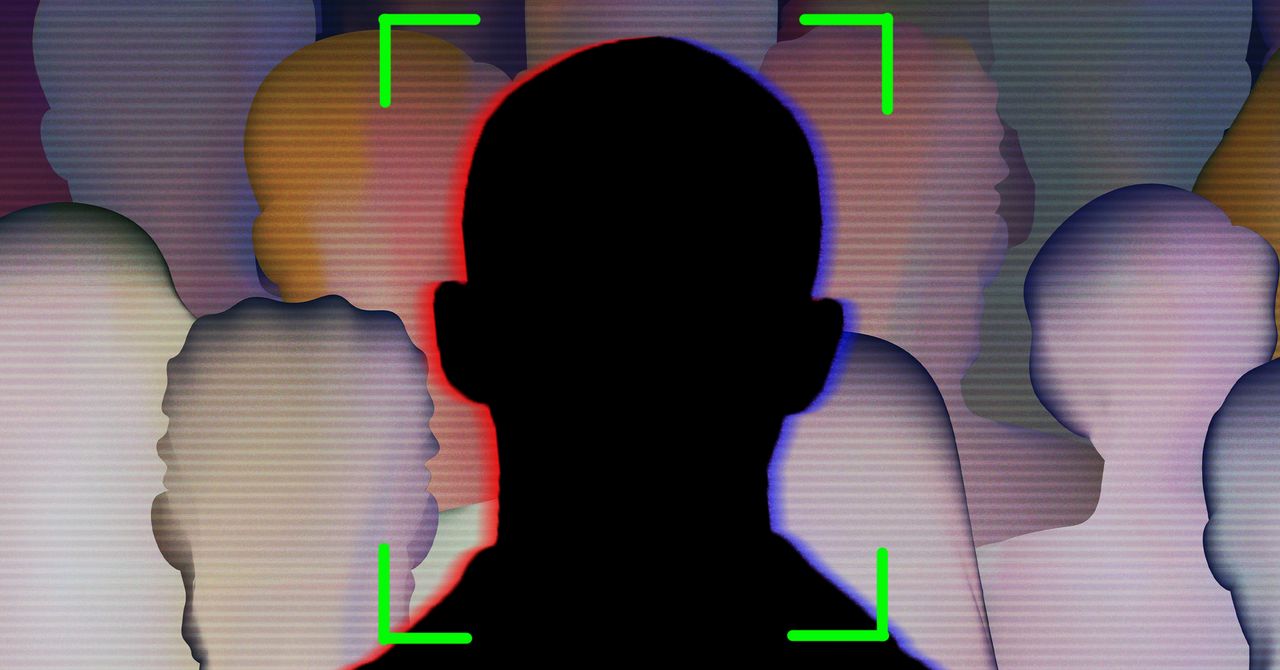
This isn’t just about a discreet photo, though. Harvard researchers have shown how video streams from these glasses, funneled to platforms like Instagram and then processed by AI, can identify faces and then scour the internet for personal data. Suddenly, that fashionable accessory morphs into a potent, portable intelligence-gathering device. Think about the implications: empowered stalkers, emboldened bullies, and fraudsters armed with a constant stream of real-world intel. It’s a data gold rush.
Meta’s rumored “Name Tag” feature, which aims to streamline this process, sounds like a particularly dystopian chapter. And let’s not forget the reports of outsourced workers in Kenya sifting through highly sensitive images collected by Meta’s AI. Even if your data isn’t directly reviewed, it’s almost certainly being used to train those AI models, a constant feeding of the digital beast. And those voice recordings? After the “Hey Meta” prompt, they’re stored for up to a year. By default.
Any sensitive information shared with a public AI platform via a pair of smart glasses could theoretically be regurgitated to other users if prompted in the right way.
From Privacy Nightmare to Security Catastrophe
This isn’t just a privacy concern; it’s a gaping security vulnerability. Imagine sensitive information—your card PIN typed at an ATM, passwords jotted down on your phone, or bank statements with your full financial details—accidentally uploaded to a cloud AI model. What happens when that data, potentially regurgitated by a clever prompt, lands in the wrong hands? Fraud. Impersonation. Full-blown account hijacking.
And then there’s the sheer audacity of “shoulder surfing.” Nefarious users could literally look over your shoulder, capturing your most private inputs. Combine that with facial recognition, and you’ve got a recipe for a detailed digital profile, ready for convincing phishing attacks or identity theft.
Hacking the Smart Glasses Ecosystem: A New Frontier for Attackers
Like any connected device, smart glasses are a prime target for conventional hacking. Exploiting the operating system, hijacking companion apps on your smartphone, intercepting Wi-Fi traffic to inject malicious content, or even a cleverly disguised QR code—the attack vectors are numerous. These aren’t abstract threats; they’re pathways to direct data theft, account takeovers, and surveillance that could escalate to physical danger.
Here’s the thing about these new AI-powered devices: they’re not just collecting data. They’re interpreting it, contextualizing it, and making it actionable for both good and ill. We’re moving beyond simple data breaches; we’re entering an era of AI-powered reconnaissance. This is less like picking a lock and more like using a digital skeleton key that can unlock entire digital identities.
My unique insight? We’ve treated smart glasses as a consumer electronics problem. We should be treating them as an infrastructure security challenge, akin to securing critical power grids or financial networks. The ubiquity of these devices, combined with their deep integration with AI, means their potential for societal disruption—both positive and negative—is immense. We’re witnessing the birth of a new digital nervous system, and we’re only just starting to understand how vulnerable it is.
Can You Really Stay Safe Wearing Smart Glasses?
Mitigating these risks requires a dual approach: for wearers and for those who might be observed. For wearers, it’s the usual digital hygiene on steroids: keep firmware updated, download apps from trusted sources, use multi-factor authentication, and protect your device with strong PINs or biometrics. Never connect to public Wi-Fi without a VPN. Critically, if possible, disable AI training and human review of your data. It’s a trade-off between convenience and the chilling possibility of your every word and sight becoming fodder for who-knows-what.
For bystanders, it’s a call to awareness. Understand that you could be recorded at any moment. Be mindful of what you’re doing in public. Perhaps it’s time for digital privacy advocates to start pushing for clearer legislation and more strong detection methods for these devices.
This is not the future we were promised; it’s the future that’s arriving, whether we’re ready or not. The wonder is undeniable, but the caution must be absolute.
🧬 Related Insights
- Read more: Axios npm Poisoning: Hackers Hijack Your Dev Secrets via 100M Downloads
- Read more: Apple’s Bold Patch: DarkSword Falls to iOS 18 Backport
Frequently Asked Questions
What are the biggest privacy risks of smart glasses? The biggest privacy risks include surreptitious recording and photography of individuals without consent, and the potential for AI to identify people and link them to their online data, creating detailed profiles for malicious use.
Can smart glasses be hacked? Yes, smart glasses are susceptible to various hacking methods, including exploiting their operating system, hijacking connected apps, intercepting network traffic, and social engineering attacks.
How can I protect myself from smart glasses surveillance? If you wear smart glasses, keep software updated, use strong security practices, and disable AI training if possible. If you encounter someone wearing smart glasses, be aware that you may be recorded and take appropriate precautions with your sensitive information in public.