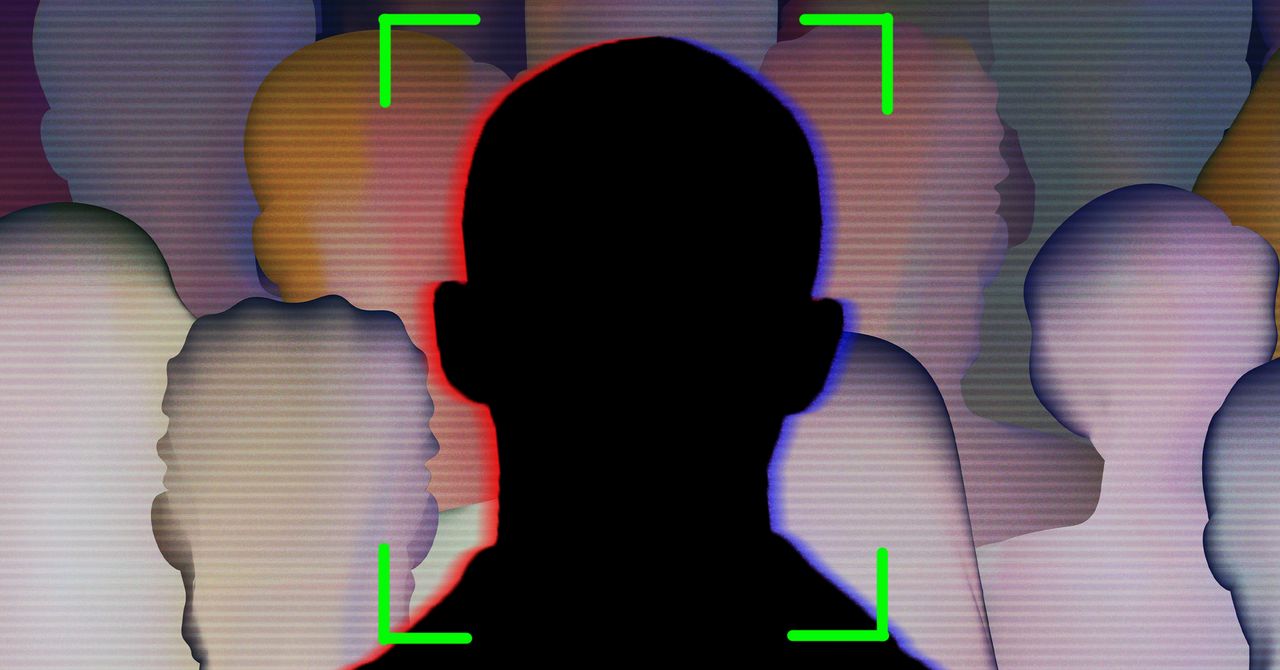
When you think of Disneyland, you probably picture pixie dust, towering castles, and the sweet scent of churros. You don’t likely think about your unique facial geometry being scanned, logged, and stored. Yet, here we are. The Walt Disney Company, ever the innovator in immersive experiences, has announced that its Disneyland and Disney California Adventure parks will now offer visitors the option to enter via a face recognition lane.
And here’s the kicker: even if you opt out, you might still get scanned. Disney’s official line is that it’s “entirely optional,” but then they hedge, adding that “you may still have your image taken” through non-face recognition lanes. This isn’t just about a faster queue; it’s about the normalization of biometric data collection in spaces designed for escapism and joy.
The mechanics are familiar. Like countless other systems deployed in airports, stadiums, and even retail environments, Disney’s technology converts your face into a numerical signature. This signature can then be matched against a database. They claim these numerical values will be purged after 30 days, with exceptions for legal or fraud-prevention needs. Which, of course, begs the question: what exactly constitutes a “legal or fraud-prevention need” in the context of a theme park? And who decides?
Is This Just About Convenience?
The corporate spin is always about user benefit, isn’t it? “Streamlined entry,” “enhanced security.” But let’s peel back the Mickey Mouse curtain for a moment. Face recognition isn’t a benign tool. It’s a surveillance technology. Its proliferation, from law enforcement sweeps to commercial applications like this, represents a fundamental architectural shift in how we are identified and tracked in public spaces.
Consider the FIDO Alliance, working with giants like Google and Mastercard to establish guardrails for AI-driven transactions. This signals a growing awareness, and perhaps anxiety, around validating identities in a digital-first world. Meanwhile, OpenAI is rolling out “advanced” security modes for ChatGPT, recognizing that AI tools themselves present new vectors for attack. These are reactions to a rapidly changing threat landscape. Disney’s move, however, feels less like a reaction and more like a proactive expansion of data collection, even if framed as optional.
We’ve seen the fallout from less sophisticated data breaches. Remember that incident where 90,000 screenshots from a celebrity’s phone were exposed? That’s the kind of risk we’re talking about, amplified by biometric data, which is inherently more sensitive than a password or an email address. It’s also harder to change.
The NSA’s Secret AI Bug Hunter
It’s not just corporate parks dabbling in cutting-edge tech. The National Security Agency, a notoriously secretive organization, is reportedly getting a sneak peek at Anthropic’s Mythos AI. This model is apparently so good at finding exploitable software bugs that its access has been severely restricted to prevent bad actors from getting their hands on it. Imagine giving a toddler a laser pointer – that’s the level of caution required.
The agency has used the tool to hunt for bugs in Microsoft’s software—naturally, given that it still runs on the majority of the world’s PCs—and has been impressed with its speed and effectiveness in finding exploitable vulnerabilities, according to sources who spoke anonymously to Bloomberg.
This is fascinating for a couple of reasons. First, the NSA, part of the Department of Defense, is apparently using a tool from Anthropic, a company that Secretary of Defense Pete Hegseth himself declared a supply chain risk back in February. DOD is supposed to be transitioning away from Anthropic’s products. Yet, here’s the NSA, deep in the digital trenches with Mythos, presumably finding critical vulnerabilities in software that underpins global infrastructure. Is this a temporary loophole before the ban takes full effect? Or is the sheer power of Mythos forcing a strategic rethink at the highest levels? Either way, it highlights the immense power of AI in the hands of intelligence agencies.
Scattered Spider’s Young Guns
And in the grittier corners of the cyber underworld, the ransomware group Scattered Spider continues its reign of terror. Responsible for high-profile breaches like MGM Resorts and Caesars Entertainment, this group has a peculiar characteristic: its members are often very young, English-speaking hackers. Their geographic location also tends to be in countries that are, shall we say, cooperative with US law enforcement. This latter point is key, as it often leads to swift arrests.
We’re seeing a pattern emerge: sophisticated cyberattacks executed by individuals who, if caught, are likely to face serious consequences due to their location and age. It’s a high-risk, high-reward game they’re playing, and the fact that they’re still operating means the rewards, for now, are outweighing the risks.
This constant churn of innovation, surveillance, and sophisticated cybercrime paints a complex picture. From theme parks collecting our faces to intelligence agencies wielding AI for vulnerability discovery, the lines between convenience, security, and intrusion are blurring faster than ever.
🧬 Related Insights
- Read more: Mandiant’s 2026 Blueprint to Stop Data-Wiping Nightmares
- Read more: Medusa Ransomware: Zero-Days to Encryption in Under 24 Hours
Frequently Asked Questions
What is Disney’s new face recognition system? Disneyland and Disney California Adventure parks are offering visitors the option to use a face recognition lane for park entry. The system converts facial images into numerical values for identification.
Is Disney’s face recognition mandatory? No, Disney states it is “entirely optional.” However, they also note that visitors may still have their image captured even when using non-face recognition entry lanes.
How long does Disney keep facial data? Disney says the numerical facial values will be deleted after 30 days, unless data retention is required for legal or fraud-prevention purposes.