81% of Developers Are Vibe Coding—And It's a Security Nightmare
Eighty-one percent of developers are already leaning on AI for code—whether you approve or not. But when non-coders start 'vibe coding' straight to production, security craters.

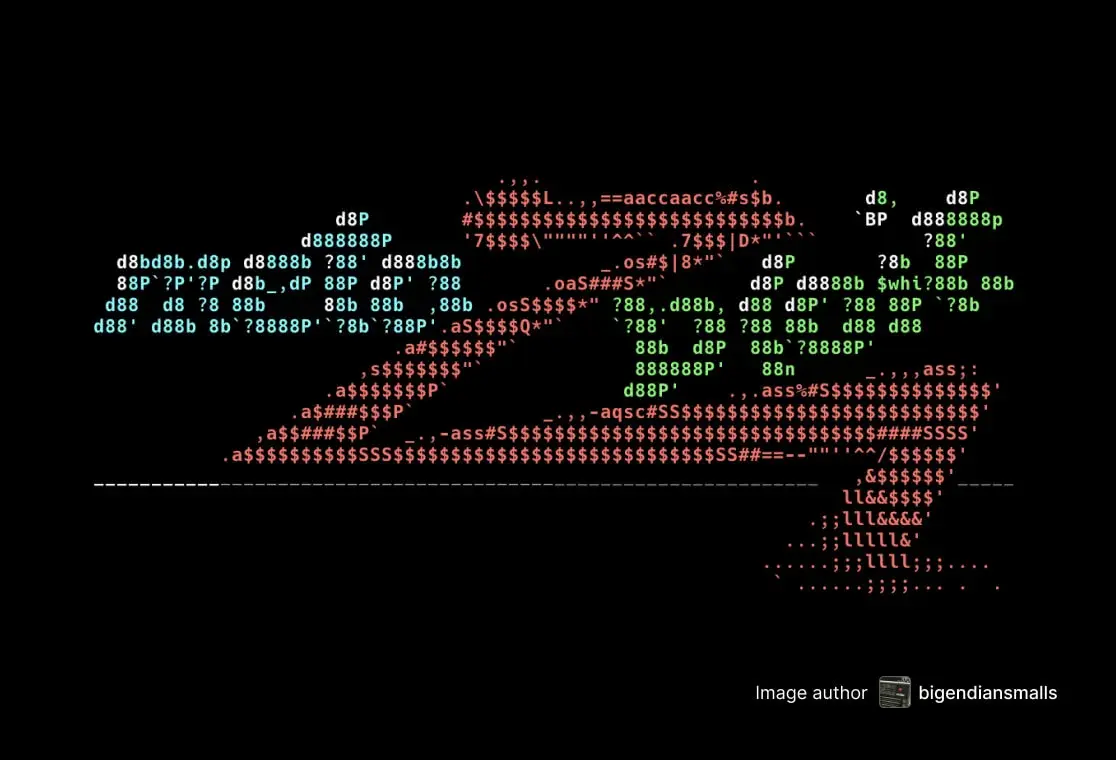
Imagine malware that not only steals your passwords but rickrolls your screen mid-heist. CrystalX RAT does just that, fusing cybercrime with cruel jokes in one Go-powered package.
Metasploit just armed hackers with easy command injection hits on FreePBX and AVideo Encoder. Think your PBX is secure? Think again.
Picture this: 1,200 screaming vulnerabilities on your slide. Board nods politely, then asks, 'So what?' Here's how to flip that script with cold, hard financial exposure.
A routine pip install turned nightmare for LiteLLM users last March. Attackers slipped malware into this AI gateway, exfiltrating cloud creds and server configs in a classic supply chain hit.
Picture this: Chinese hackers burrowing into telecoms worldwide, siphoning calls and secrets via innocent-looking Google Sheets. Google and Mandiant yanked the plug—hard. Your digital life just got a shield upgrade.
Hackers aren't spraying and praying anymore. They're laser-focused on high-rollers, charging premium for the keys to your kingdom.
Your login details are the hottest commodity on the dark web right now. Kaspersky's data shows infostealers surging while PC malware fades, hitting everyday folks hardest.
You're scripting a payload drop into a vulnerable web app. Suddenly, Metasploit's fresh modules light up your console — RCE in FreeScout via a sneaky .htaccess bypass. This week's wrap-up isn't just code; it's a blueprint for modern breaches.
Forget the headlines about fewer browser hacks—your office router or firewall might be the real spy magnet this year. Google's zero-day count stabilized at 90, but enterprises now shoulder nearly half the pain.
Microsoft spotted Russian military hackers infiltrating 5,000 home routers, hijacking DNS to spy on traffic and launch man-in-the-middle attacks. This isn't some fringe op; it's a scalable playbook exposing enterprise blind spots.
A single HTTP request flips your React server into a hacker's playground. Google Threat Intel spots China-nexus groups dropping backdoors via CVE-2025-55182—React2Shell—just days after disclosure.
Google dropped the hammer on IPIDEA this week, yanking domains and nuking apps to shrink its army of hijacked home routers by millions. Bad guys loved routing their scams through your grandma's WiFi—now they're scrambling.
Picture this: your boss's boss at the FBI opens Gmail to leaked personal photos from Iranian hackers. That's the stark reality of this week's threat intelligence report.
Iran's intelligence operatives aren't just watching the cyber crime scene anymore—they're players. Check Point's latest drops a bombshell on this dangerous fusion.
Your next can of paint might cost more thanks to hackers hitting AkzoNobel. Check Point's fresh report cuts through the spin on this and other threats.
Iran's Handala Hack isn't your garden-variety spies—they wipe systems and leak secrets with ruthless efficiency. Check Point's deep dive exposes a playbook that's been hiding in plain sight.
Hackers tore through Hasbro, the EU, and crypto giants last week. AI's dark side emerged too — silent data leaks via ChatGPT. Buckle up.
Imagine malware snagging your login cookies—Google's new Chrome feature makes them worthless off your device. Finally, a real defense against session hijacks that plague everyday users.
Chrome 147 dropped with patches for 60 vulnerabilities, but the real shocker? Two critical WebML holes that netted researchers $86,000. This isn't routine housekeeping—it's a warning about browser ML's fragile underbelly.