
Qilin, Akira, Dragonforce: Ransomware's Brutal Top Trio Claims 40% of March Carnage
Picture this: three ransomware crews unleashing chaos on 40% of last month's attacks. Qilin leads the pack at 20%, while the US eats over half the blows.


Dutch hospitals are offline. ChipSoft's ransomware hit knocks out EHR systems, forcing manual ops and exposing healthcare's fragile IT underbelly.
Fake invoices disguised as Russian oil payments have been slipping through defenses, exploiting an unpatched Adobe Reader zero-day since late 2025. Security pros spotted the first traces on VirusTotal, but the real damage? It's already underway.
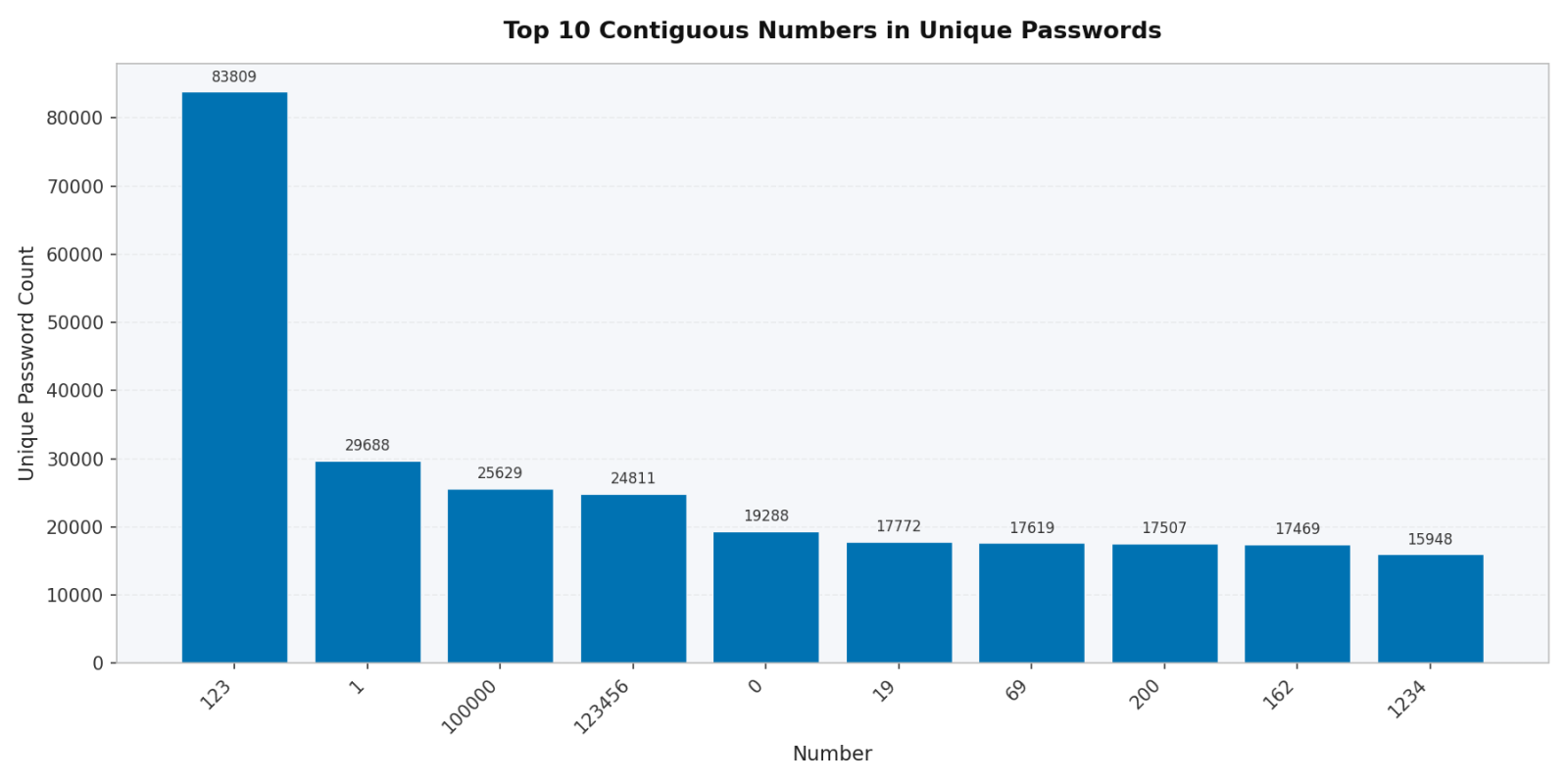
A honeypot logs '2027' in a bot's password guess — eight months before it happens. Turns out, attackers aren't just lazy; they're eerily prescient about our bad habits.
VENOM phishing attacks are laser-focused on stealing senior execs' Microsoft logins. Forget basic MFA; this PhaaS nightmare demands real defenses.
Thirteen years of silence shattered by an AI. Claude just exposed a remote code execution nightmare in Apache ActiveMQ that's been begging for exploitation.
A shadowy group called UAT-10362 is phishing Taiwanese NGOs with archives hiding LucidRook, a Lua-powered beast that sidesteps defenses like a ghost in the machine. This isn't random spam—it's targeted espionage with tricks straight out of a cyber spy novel.
Picture this: your WordPress site, humming along with Ninja Forms handling uploads securely—or so you thought. A single overlooked check turns it into hacker playground, CVSS 9.8 style.
Your Hims prescription for finasteride or semaglutide? Hackers might now have it. This breach isn't just data—it's personal humiliation waiting to happen.
Curious developers downloading leaked Claude Code from GitHub might wake up to stolen passwords and data. Anthropic's takedown scramble highlights sloppy AI security in a rush-to-market world.
The ghost of ransomware past has a face: 31-year-old Daniil Shchukin, aka UNKN. Germany's BKA just doxxed the kingpin behind GandCrab and REvil, gangs that pioneered double extortion and billions in hauls.
Open-source AI agent builders like Flowise were supposed to democratize intelligent automation. Instead, a perfect-score vulnerability has hackers knocking on 12,000 doors.
Everyone figured Hong Kong's National Security Law was mostly for cracking down on protesters. Turns out, it's coming for your iPhone passcode too — even if you're just changing planes.
Imagine a hacker knowing your Viagra order details from a support chat. That's the nightmare for Hims & Hers customers after ShinyHunters raided their Zendesk platform.
North Korean hackers didn't just breach an npm account—they hijacked Axios, a package pulled 100 million times weekly, and laced it with self-deleting malware. This week's threats expose how attackers are betting big on the software build process.
New Mexico just handed Big Tech a privacy nightmare. Encryption's under fire, and we're all collateral damage.
Shadowserver clocked 2.3 billion credentials swiped by infostealers in 2023 alone. Simple breach monitoring? It's blind to the real action.
Your Android phone just got a quiet shield upgrade. A high-severity StrongBox vulnerability – patched in the latest update – could have exposed your most sensitive keys to hackers.
GitHub lights up with BlueHammer exploit code. A researcher fed up with Microsoft's disclosure dance goes public, handing attackers a path to SYSTEM privileges on unpatched Windows machines.
Picture AI agents buzzing like bees in a hive, only for one sneaky intruder to turn the whole colony against itself. New research exposes prompt injection cracks in Amazon Bedrock's multi-agent apps.