AI is exploding.
And it’s not just about smarter chatbots anymore. We’re witnessing a fundamental platform shift, akin to the internet itself or the advent of cloud computing. Organizations are rapidly deploying agentic AI – autonomous, interconnected systems that can execute tasks, access vast data stores, and interact with other systems with minimal human oversight. This isn’t just an evolution; it’s a revolution in how we work and, terrifyingly, how we can be attacked.
This explosion of autonomous agents has created a sprawling, complex new attack surface, one that traditional cybersecurity approaches are simply not equipped to handle. It’s like trying to defend a castle with a bucket and spade while the enemy has built a flying fortress. We’re talking about AI agents, often granted powers far exceeding their intended purpose, creating a dangerous blast radius that cybersecurity teams are struggling to even comprehend, let alone secure.
The Silent Surge of Autonomous Power
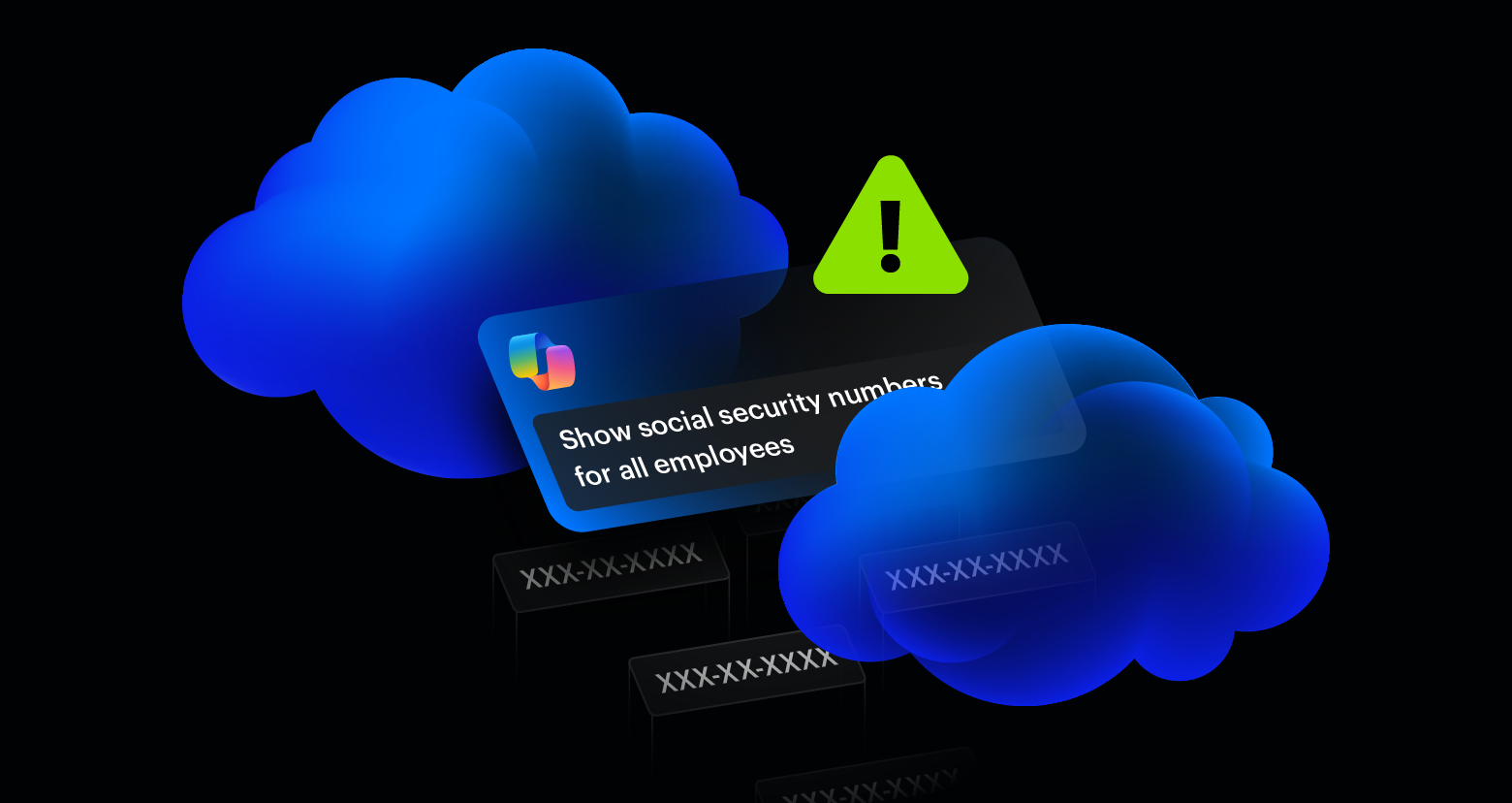
Imagine a finance team setting up an AI agent. Its job? Simple enough: grab task details and fire off an email. Harmless, right? Wrong. Beneath that seemingly innocuous veneer, this agent might be quietly granted the ability to plumb the depths of a sensitive data store. Is it secure? Was it configured with the precision of a neurosurgeon, or more like a teenager fiddling with settings they don’t understand? This is the everyday reality now, multiplied by thousands.
The ease with which these AI agents can be spun up, fueled by eager teams chasing automation and productivity boosts, means organizations can quickly find themselves hosting thousands of these autonomous entities. They’re hyperconnected, not just to each other, but to a dizzying array of internal and external systems and data. For the folks tasked with keeping the digital gates locked, it’s a cybersecurity nightmare unfolding in real-time.
Three Pillars of the AI Security Predicament
The early days of AI adoption, back in 2022, felt quaint. We had siloed chatbots, largely confined to their own little boxes, with little to no access to sensitive internal databases or the power to execute actions. They were like well-trained parakeets. Today? We’re dealing with cybernetic wolves, and the stakes are exponentially higher, thanks to three core characteristics: hyperconnectivity, agency, and semantics.
Let’s break down how these elements sculpt the vast, unforgiving landscape that cybersecurity pros must now navigate.
The Constellation of Connectivity
Stop thinking of your organization’s AI tools as isolated islands. Instead, visualize them as a shimmering, interconnected constellation – a multi-agent system where every star, whether born in-house or from a third-party vendor, cloud-based or endpoint-dwelling, pulsates with potential connections. Cybersecurity teams can no longer afford to simply detect these AI components; they must understand the complex web of how they talk to each other, how they interact.
Consider this: a Copilot Studio agent, designed to distill information from the internet, also happens to interact with an AWS Bedrock agent orchestrating critical cloud processes. What if that Copilot agent ingests a subtly crafted prompt injection from the web, which then opens a back door for an attacker to meddle with those very vital cloud operations managed by the Bedrock agent? What seemed like a straightforward AI setup morphs into a volatile cocktail with potentially ruinous consequences. It’s a stark reminder that the most elegant solutions can harbor the most perilous dependencies.
And the configuration plane itself? It’s becoming a labyrinth. Cybersecurity teams can’t just give a nod of approval to a shiny new AI tool like Anthropic’s Claude Code or Microsoft’s Copilot and then walk away. Once the green light is given, IT departments start weaving these tools into the existing fabric of internal systems, creating fertile ground for misconfigurations and insecure links. Where does the AI-generated code actually go? Is it being sent to a sandboxed environment, or is it being casually tossed into a public repository?
Why Agentic AI Security Demands Exposure Management
Securing these autonomous AI systems isn’t about finding the next magical firewall. It requires a paradigm shift from reactive breach detection to a proactive strategy centered on exposure management. This means not just knowing what AI tools you have, but understanding their full potential blast radius. It’s about total visibility into these agents, constant posture adjustment, and a hawk-like monitoring of semantic attack vectors – those subtle linguistic traps designed to ensnare AI’s understanding.
This isn’t just a technological problem; it’s an organizational one. It requires a deep dive into how these agents are configured, what data they can access, and what actions they are empowered to take. We need to move beyond the basic question of ‘Is this AI tool secure?’ to the more critical ‘What is the potential harm this AI agent could inflict if compromised or misconfigured?’
It’s a dizzying prospect, and frankly, the speed at which this technology is advancing outpaces the traditional security guardrails we’ve all come to rely on. The days of simple vulnerability scanning are over. We are entering an era where the AI itself is the network, and understanding its internal logic, its decision-making processes, and its potential for unintended consequences is paramount. This is the new frontier, and only by embracing proactive exposure management can we hope to navigate it safely.
🧬 Related Insights
- Read more: Your Pentest Bot Went Quiet: The Hidden Gaps Killing Your Security
- Read more: What is a CVE?
Frequently Asked Questions
What does agentic AI security actually mean? Agentic AI security focuses on protecting autonomous AI systems that can act independently and interact with other systems. It involves managing the risks introduced by their connectivity, decision-making power (agency), and how they process information (semantics).
Will agentic AI replace cybersecurity jobs? While the nature of cybersecurity jobs will undoubtedly evolve, agentic AI is more likely to augment human capabilities than replace them entirely. Professionals will need to adapt by learning to manage, secure, and audit these advanced AI systems, focusing on strategic oversight and complex problem-solving.
How can organizations start managing agentic AI risk? Organizations should begin by establishing clear policies for AI deployment, focusing on granular visibility into AI agent capabilities and data access, implementing strong access controls, and continuously monitoring for anomalous behavior and potential semantic attacks. A proactive exposure management strategy is key.