Steam rises from a cooling tower at a Pennsylvania water facility, just like the one hackers from Iran trashed last year—now they’re back, prowling for more internet-exposed PLCs across America’s grids and pipes.
I’ve chased cyber spooks from Silicon Valley boardrooms to Beltway briefings for two decades, and this Iran-linked hacker push on U.S. critical infrastructure feels like déjà vu with a nastier edge. Iranian actors—think groups with ties to Tehran’s cyber militias—are zeroing in on programmable logic controllers, those humble PLCs running everything from wastewater pumps to energy substations. And yeah, the FBI just dropped the mic on it Tuesday, warning of real disruptions: crippled functionality, faked display data, even cash hits from downtime.
“These attacks have led to diminished PLC functionality, manipulation of display data and, in some cases, operational disruption and financial loss,” the U.S. Federal Bureau of Investigation (FBI) said in a post on X.
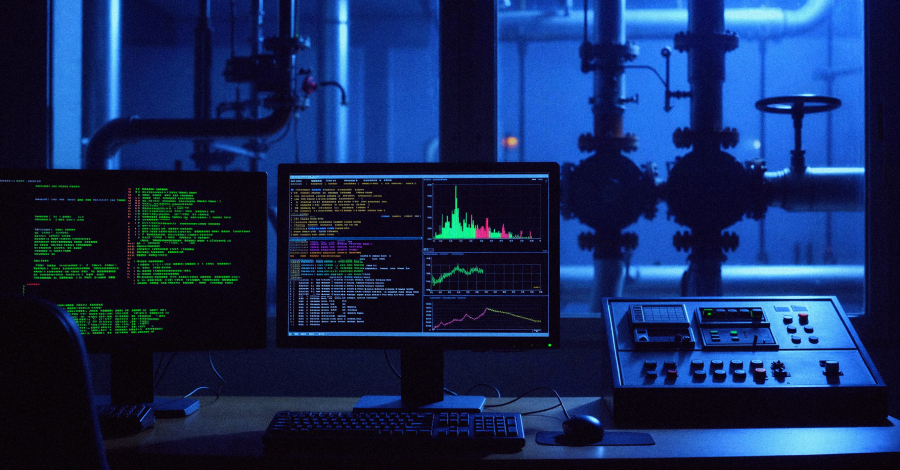
Rockwell Automation and Allen-Bradley gear? Prime targets. CompactLogix, Micro850—you name it, if it’s facing the wild web in government ops, water systems, or energy spots, it’s fair game. These hackers lease some shady third-party servers, fire up Studio 5000 Logix Designer like it’s no big deal, and poof—accepted connection to your PLC. Then Dropbear SSH slips in on port 22 for remote control, yanking project files, messing with HMI and SCADA screens. Boom. Chaos.
But here’s my unique take, one you won’t find in the advisory: this reeks of Stuxnet’s revenge arc. Remember 2010? U.S. and Israel unleashed that worm on Iran’s nukes, shredding centrifuges via air-gapped OT wizardry. Fast-forward —Iran’s crews are flipping the script, but sloppier, hitting exposed gear instead of zero-days. It’s poetic payback, sure, but dumber; they’re banking on our laziness, not ingenuity. And mark my words: if tensions spike with Israel, expect these probes to turn from disruptive pranks into full-on sabotage, maybe even physical breaks like that Aliquippa water hack last year.
Why Are U.S. PLCs Still Hanging Out on the Open Internet?
Look, it’s 2024—why the hell are these mission-critical boxes pingable from Tehran? Back in my early days covering Y2K scares, we promised OT would stay firewalled forever. Ha. Lazy upgrades, budget squeezes, tacked-on remote access for “convenience”—that’s the cocktail. Sectors like water and wastewater? They’re notorious offenders, small ops with thin IT crews thinking, “Eh, it’ll never happen to us.” Spoiler: it is.
Sergey Shykevich from Check Point nails it—they’ve seen this playbook for months, from Israeli PLCs in March to U.S. ones now. “Iranian threat actors are now moving faster and broader and targeting both IT and OT infrastructure,” he says. Accelerating, not new. And don’t get me started on the hacktivist fronts: Homeland Justice, Karma, Handala—DomainTools calls ‘em a MOIS puppet show, swapping masks but sharing infrastructure. Telegram bots for C2? Clever camouflage in plain sight.
Energy firms, government facilities—you’re not immune. These aren’t script kiddies; state-backed crews with patience. They grab initial access, drop persistence, exfil data. Financial loss? Try halted production, emergency shutdowns. One plant offline means regulators crawling up your tailpipe.
Short para: Fix it yesterday.
How Do Iranian Hackers Actually Own Your PLC—and Can You Stop Them?
Step one: scan for internet-facing OT. Shodan lights up thousands of Rockwell PLCs like a Christmas tree. Hackers rent VPS, mimic legit config tools—Studio 5000 accepts ‘em. SSH tunnel in, manipulate away. HMI shows fake levels? Operators panic, flip wrong switches. Disaster.
Mitigations? The advisory’s gold, but I’ll cynical-filter it: don’t expose PLCs—duh, use air gaps or VPNs with MFA. Physical switches to block remote mods. Firewalls proxying traffic. Patch like your life’s on it (it is). Disable unused ports—port 22 screaming for Dropbear? Rookie mistake. Monitor logs for oddball traffic; anomalies scream intrusion.
We’ve seen this movie. Cyber Av3ngers (Hydro Kitten, whatever) owned 75 Unitronics PLCs in 2023, defacing water authority screens with “You have to clean this h2o.” Municipal panic. Now broader, multi-vendor. MuddyWater tossing CastleRAT at Israelis? Same ecosystem bubbling.
And the surge? DDoS floods, leak ops from proxy groups. Flashpoint tracks it as Iran’s cyber flex amid Israel clashes. Not random; retaliation dialed up.
Here’s the thing—companies spin this as “heightened vigilance needed,” but who’s cashing in? Cybersecurity vendors hawking OT firewalls, that’s who. Check Point, DomainTools dropping reports timed perfectly. Skeptical me asks: real threat, sure, but is the panic inflating sales? Always.
Prediction time: without a national OT mandate—think Biden’s cyber EO on steroids—these hits multiply. Small utilities fold first, cascading to blackouts or tainted water. We’ve got the tech; it’s willpower lacking.
Energy sector execs, water bosses—wake up. Iran’s not bluffing; they’re executing.
MuddyWater’s CastleRAT ties? JUMPSEC links ‘em to criminal RATs, but Israeli focus hints crossover. Blended threats ahead.
Bottom line: segment OT like Fort Knox. Test air gaps. Train ops on phishing—yeah, IT habits bleed over.
What Happens If This Escalates to Real Damage?
Imagine a grid substation glitching mid-heatwave. Or reservoirs overflowing from bogus sensor reads. We’ve dodged physical harm so far—disruptions, yes—but push Iran harder? Boom turns literal.
History screams it: not Stuxnet revenge exactly, but colonial pipeline vibes, only state-sponsored. U.S. response? More advisories. Need teeth: fines for exposed OT, subsidies for fixes.
Organizations: inventory now. Tools like Dragos, Claroty—use ‘em. Don’t wait for CISA knocking.
This advisory? Wake-up klaxon. Ignore at peril.
**
🧬 Related Insights
- Read more: The Batch Script That Scrubs Windows ADS to Ghost Malware Persistence
- Read more: Anthropic’s Project Glasswing: Rivals Unite Against AI’s Hacking Edge
Frequently Asked Questions**
Will Iranian hackers shut down my power grid?
Not yet—disruptions so far, but escalation risks real outages if unpatched PLCs stay exposed. Secure OT now.
How do I protect PLCs from these attacks?
Air-gap ‘em, MFA everywhere, firewalls in front, patch firmware, monitor port 22 traffic religiously.
Is this linked to the Israel conflict?
Directly—FBI ties it to Iran’s retaliation playbook against U.S. and Israeli tensions.