Look, when the news drops about a critical security flaw in something like Drupal, the first thing that flashes across my mind isn’t the abstract technical detail. It’s the actual humans who have to deal with the fallout. That means system administrators scrambling to patch servers at 3 AM, website owners sweating over potential data breaches, and, let’s be honest, attackers licking their digital chops.
This latest kerfuffle, CVE-2026-9082, is a doozy. It’s an SQL injection vulnerability in Drupal core that specifically targets sites running on PostgreSQL. What does that mean in plain English? It means if you’re using Drupal with that particular database flavor, and you haven’t patched yet, you’re essentially leaving the digital front door wide open for unauthenticated users to potentially pull off all sorts of nasty business – think stealing sensitive information, gaining unauthorized access, or even executing their own code on your server. Nice.
The Nitty-Gritty on CVE-2026-9082
So, Drupal dropped this info on May 20, 2026. They’ve listed it as SA-CORE-2026-004, which sounds important, and it is. The affected versions are quite a range, stretching from older 8.9.0 all the way up through various 10.x and 11.x releases if you haven’t applied the latest patches. The core of the problem? It’s deep within Drupal’s database abstraction API, the very thing that’s supposed to keep your data safe from malformed queries. Apparently, when PostgreSQL is involved, specially crafted requests can bypass those safeguards and trigger arbitrary SQL injection. And get this – attackers don’t even need a login to get started. That’s the kind of vulnerability that keeps security teams up at night.
Drupal itself is pointing fingers at how attacker-controlled array keys are making their way into SQL placeholder names, particularly in their PostgreSQL entity query handling. They’ve identified two main entry points: the JSON login endpoint and the JSON:API filter syntax. So, if your site uses either of those and you’re on PostgreSQL, you’ve just become a prime target. Suddenly, those flashy API features don’t look so great, do they?
Who’s Actually Chasing This Ghost?
Here’s where it gets interesting from a “who benefits” perspective. Imperva, the company putting out this alert, has already seen over 15,000 attack attempts targeting nearly 6,000 sites across 65 countries since the vulnerability was disclosed. That’s not a small number. They’re seeing a lot of what looks like reconnaissance – attackers just poking around to see who’s vulnerable. The payloads are often testing specific JSON:API routes, like /jsonapi/node/article, and using filter parameters to see if they can break something. You’ll see these tell-tale markers like nuclei_sa_core_2026_004 in the payloads, which pretty much screams automated scanning. Think of it as a digital recon mission before the main assault.
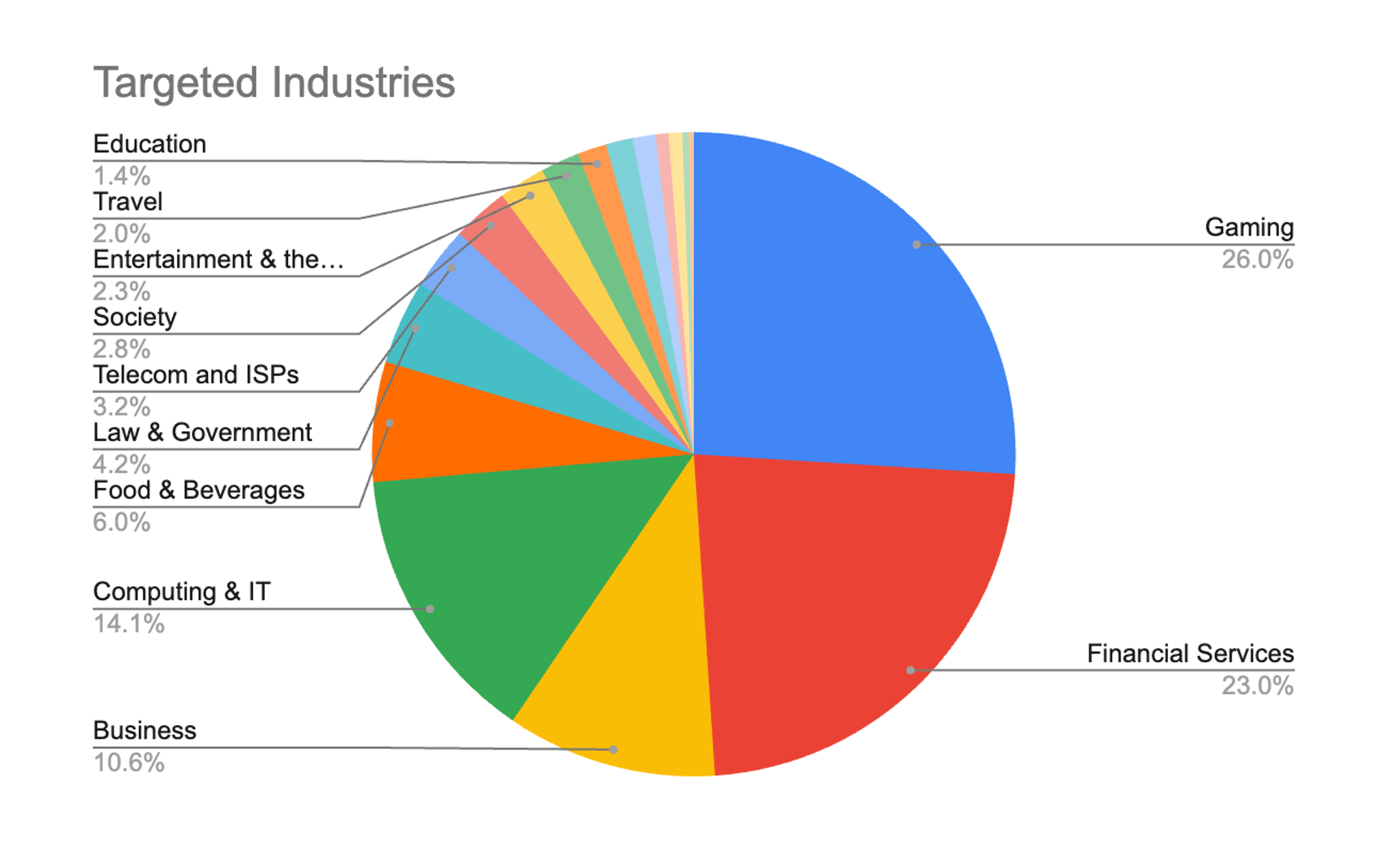
Most of the activity so far is focused on probing: trying out different SQL injection techniques, using pg_sleep for time-based checks, or looking for error messages that indicate a successful exploit. The most common targets? Gaming and Financial Services websites, making up almost half of the observed attacks. It makes sense; these sectors often handle a lot of user data and financial transactions, making them lucrative targets for data thieves.
But here’s the kicker: this reconnaissance is often the prelude. Once they’ve identified vulnerable systems, the real fun begins. The potential consequences are dire – information disclosure, escalating privileges to admin levels, or even full-blown remote code execution. That means an attacker could essentially take over your entire site.
So, What Do I Actually Do?
Okay, enough doom and gloom. For those of you running Drupal, the immediate, non-negotiable action is to upgrade immediately. Drupal has released patches for all affected versions. You need to be on 10.4.10, 10.5.10, 10.6.9, 11.1.10, 11.2.12, or 11.3.10. And honestly, even if you’re not using PostgreSQL, you should still patch. The same Drupal release that fixed this SQL injection vulnerability also included important security updates for Symfony and Twig, so you’re probably exposed to other issues if you’re not up-to-date.
And for the Imperva crowd? Well, you’re apparently covered. “Imperva customers with any WAF deployment are protected against exploitation attempts associated with CVE-2026-9082,” the company states. Of course they are. That’s what you pay for. Whether that protection is 100% foolproof or just a good enough layer of defense is a question for another day, but for now, they’re telling their customers they’re safe. The rest of you? You’re on your own.
My own take? This highlights a perennial problem. Drupal is a powerful, widely-used CMS, but its complexity, especially with its various integrations like PostgreSQL and APIs, creates these rich hunting grounds for attackers. It’s a constant game of whack-a-mole. The vendors provide patches, but the adoption rate is never 100%, and there’s always a segment of the user base that either can’t or won’t update, leaving them vulnerable. And then there are the attackers who are adept at finding those unpatched systems. It’s a cycle, and it’s not going to stop.
Is My Drupal Site a Sitting Duck?
If you’re running Drupal and use PostgreSQL as your database, yes, you’re at risk if you haven’t patched. The vulnerability is exploitable by unauthenticated users, meaning they don’t need any special access to try and compromise your site. The speed at which Imperva has seen scanning activity underscores the urgency. It’s not a matter of if someone will try to exploit this, but when they’ll find your unpatched server.
What Exactly is SQL Injection, Anyway?
SQL injection is a type of cyberattack where an attacker inserts malicious SQL code into input fields on a web application. When the application doesn’t properly sanitize this input, the malicious code can be executed by the database, allowing the attacker to access, modify, or delete data, or even take control of the database server itself. It’s like tricking a librarian into giving you access to restricted sections by sneaking in a secret command disguised as a book request.
Will Imperva’s Protection Stop Everything?
Imperva’s Web Application Firewall (WAF) is designed to block known malicious traffic patterns and signatures. For a well-publicized vulnerability like CVE-2026-9082, it’s highly likely they have implemented rules to detect and block exploit attempts. However, no security system is 100% perfect. Sophisticated attackers can sometimes find ways to bypass WAFs, or new attack vectors might emerge. The absolute best protection is always to patch the underlying vulnerability on your Drupal installation.