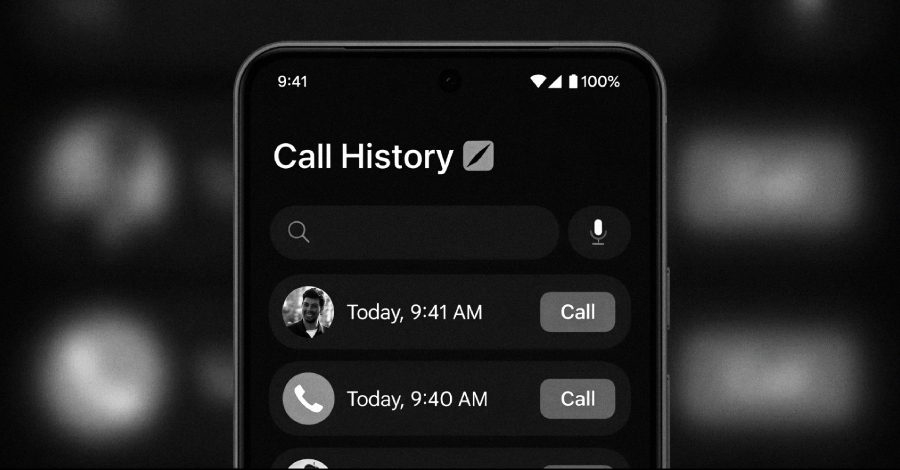
Did you ever stop to think that the official app store, the very place designed to offer vetted software, could be a hunting ground for digital charlatans? It’s a question many won’t ask until it’s too late. Recently, a cascade of apps masquerading as legitimate call history trackers hit the Google Play Store, collectively racking up a staggering 7.3 million downloads before Google finally stepped in.
The operation, dubbed CallPhantom by researchers at ESET, wasn’t just a minor glitch; it was a calculated operation designed to drain wallets under the guise of a useful service. These apps promised the impossible: unfettered access to the call logs, SMS records, and even WhatsApp call histories of any phone number. A tantalizing prospect, especially for those seeking to monitor or investigate. But here’s the kicker: the data provided was entirely fabricated, randomly generated strings of text masquerading as vital information.
CallPhantom’s architects understood psychology as much as they understood code. Users were prompted to pay to “unlock” these supposed features. And what did they get in return for their hard-earned cash? Nothing of value. ESET security researcher Lukáš Štefanko laid it bare: “To unlock this supposed feature, users are asked to pay – but all they get in return is randomly generated data.”
This wasn’t a subtle phishing attempt; it was an upfront con. Users in India and across the Asia-Pacific region were the primary targets, lured by the promise of comprehensive data. The deception went further, with at least one app brazenly publishing under the developer name “Indian gov.in,” a pathetic attempt to use false authority and a sense of legitimacy.
The payment mechanisms were varied, and alarmingly, often skirted Google’s own policies. While some transactions went through Google Play’s official billing system, others directed users to third-party payment gateways, including widely used platforms like Google Pay, PhonePe, and Paytm. Even more egregious, some apps directly embedded payment card checkout forms, a clear violation of Google’s terms of service. The subscriptions ranged from a relatively low $6 to a frankly audacious $80, leaving users feeling foolish and financially violated.
And if you thought exiting the app without paying would save you, think again. ESET found instances where apps would trigger deceptive notifications after a user had abandoned the payment screen. These pop-ups claimed that a call history had been successfully sent to their email, directly funneling them back to a subscription page. It’s a proof to the persistent, predatory nature of these scams.
Why does this matter, beyond the individual financial losses? It speaks to a fundamental architectural weakness. The Google Play Store, despite its vetting processes, remains a surprisingly porous gate for malicious actors. The sheer volume of downloads for these clearly fraudulent apps suggests a significant gap in automated detection, allowing these digital weeds to grow for an extended period. This isn’t just about a few bad actors; it’s about the systemic issues that allow them to operate at such a scale. The developers of these apps were likely operating from a shared codebase, a common denominator in many Play Store scams, efficiently distributing their malware under slightly different guises.
It’s a stark reminder that the digital marketplace, for all its convenience, demands a level of skepticism that borders on paranoia. The convenience of an app store shouldn’t lull users into a false sense of security. The architecture of trust on these platforms is constantly being tested, and in the case of CallPhantom, it was spectacularly breached.
How Did These Apps Stay on the Play Store for So Long?
The exact timeline is murky, but ESET’s evidence points to activity possibly dating back to November 2025. This extended presence suggests that these apps either evaded initial automated scans or were reported and actioned with a significant delay. The sheer volume of downloads, particularly for a single app exceeding 3 million, should have been a red flag, but the system either didn’t flag it or the human review process was too slow to catch it before widespread damage occurred.
What’s the Long-Term Impact of This Scam?
Beyond the immediate financial drain on victims, scams like CallPhantom erode trust in legitimate app stores and developers. It makes users more hesitant to download new applications, potentially stifling innovation. For the cybersecurity industry, it’s another data point highlighting the persistent need for better detection mechanisms, more proactive app vetting, and user education on recognizing the tell-tale signs of a scam.
Users who may have fallen prey to these schemes will ideally see their subscriptions canceled now that the apps are removed. However, recovering actual payments made through third-party systems or direct card inputs can be a significantly more arduous process, often requiring direct contact with financial institutions and potentially leading to prolonged disputes.
🧬 Related Insights
- Read more: Microsoft’s 2026 RDP Shield Blocks Phishing Nightmares [Update Details]
- Read more: ChatGPT’s One-Prompt Data Heist: Your Secrets Just Got Leaky
Frequently Asked Questions
What does CallPhantom do? CallPhantom refers to a group of fraudulent Android apps on the Google Play Store that falsely claimed to provide access to users’ call histories and SMS records. In reality, they provided fabricated data and tricked users into costly subscriptions.
How many people were affected by CallPhantom apps? Collectively, the 28 identified CallPhantom apps amassed over 7.3 million downloads, indicating a significant number of users were exposed to the scam.
Can I get my money back if I paid for a CallPhantom app? If you subscribed through Google Play, your subscription should be canceled now that the apps are removed. For payments made via third-party services or directly with credit cards, you may need to contact your bank or payment provider to dispute the charges and attempt to recover your funds.