AI Daily Briefing
- Microsoft Exchange Zero-Day: Attacks Exploit XSS Flaw: Microsoft is scrambling to address a high-severity zero-day flaw in Exchange Server, already being weaponized by attackers. The vulnerability enables arbitrary code execution, targeting users of Outlook on the web.
- Avada Builder Flaws: 1 Million Sites at Risk of Credential Theft: A million WordPress sites using the popular Avada Builder plugin are exposed. Two severe vulnerabilities could hand over your site credentials to attackers.
- node-ipc Compromised: Your Secrets Are Now Dinner: The npm ecosystem just took another hit. The widely used node-ipc package has been compromised, actively stealing sensitive developer credentials.
- [2026] China-Linked Hackers Use New TencShell Malware: Forget custom code; China-linked hackers are now building on open-source tools. The new TencShell malware is a prime example, lurking in plain sight.
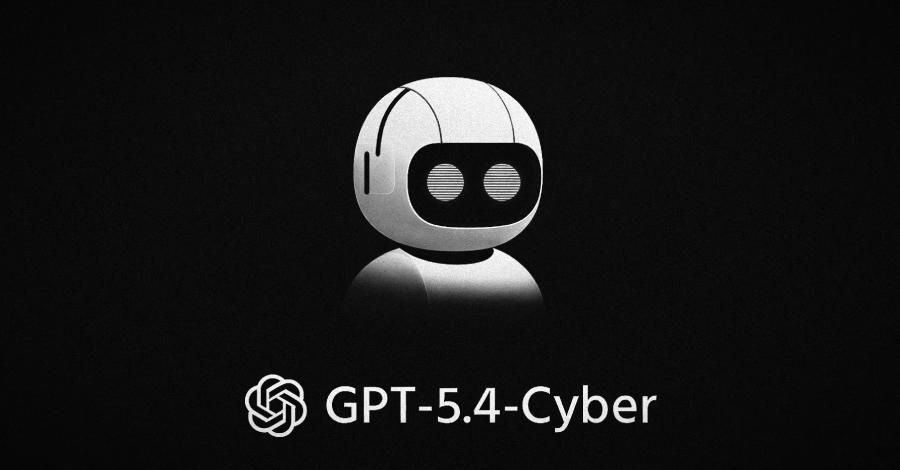
- OpenAI’s Cyber AI: EU Seeks Access | Data Breaches Mount: From Big Tech’s lobbying against encryption mandates to AI models probing for vulnerabilities, this week’s cybersecurity landscape is a tightrope walk between innovation and ingrained risk. We’re seeing state-sponsored actors evolve and even mobile OS defenses get smarter, but are we truly prepared?
- Pwn2Own Berlin: Zero-Days Bloom on Day 2: The latest Pwn2Own hacking competition saw zero-days pour out like cheap champagne. Windows 11 and Microsoft Exchange were among the casualties, proving that even the patched aren’t safe.
- AI Agents Exploit Flawed Code [New Threat]: AI agents are no longer just a theoretical concern for cybersecurity. They’re actively discovering and exploiting obscure software vulnerabilities, a dangerous new reality.
- Turla’s Kazuar: From Backdoor to Modular P2P Botnet: Turla, the Russian state-sponsored hacking group, has weaponized its Kazuar backdoor, morphing it into a sophisticated peer-to-peer botnet. This evolution marks a significant shift towards deeply embedded, persistent access.