Forget the slow, grind-it-out ransomware attacks of yesteryear. The threat landscape is morphing, and fast. Two distinct cybercrime outfits, dubbed Cordial Spider and Snarky Spider, are orchestrating rapid-fire data theft and extortion campaigns, operating almost exclusively within the trusted confines of Software-as-a-Service (SaaS) environments. Their operational playbook is lean, their traces vanishingly faint, presenting a daunting challenge for defenders accustomed to more traditional intrusion methods. Both groups have been active since at least October 2025, with Snarky Spider, a native English-speaking entity, showing links to the notorious e-crime collective known as The Com.
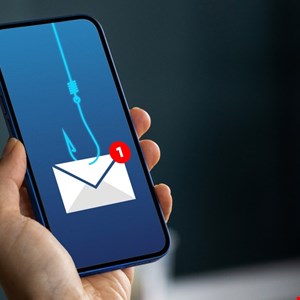
The core of their methodology is chillingly effective: a potent cocktail of voice phishing (vishing) and Single Sign-On (SSO) abuse. Attackers initiate contact via phone, masquerading as IT support, to coax targeted users into visiting malicious, SSO-themed adversary-in-the-middle (AiTM) pages. It’s there, in this digital purgatory, that authentication data is siphoned off, granting direct access to SSO-integrated SaaS applications. The result? Attackers pivot directly into victim networks, bypassing traditional perimeter defenses. As CrowdStrike’s Counter Adversary Operations aptly put it, “By operating almost exclusively within trusted SaaS environments, they minimize their footprint while accelerating time to impact.”
This isn’t merely an incremental shift; it represents a significant evolution in attack vectors. Mandiant’s January 2026 report highlighted these clusters as an expansion of tactics mirroring those used by the ShinyHunters group, known for its extortion-themed assaults. The modus operandi involves impersonating IT staff, a classic social engineering trope, but elevated by the speed and technical sophistication with which it’s executed. Victims aren’t just tricked; they’re guided, with the attackers actively directing them to phishing login pages designed to harvest both credentials and, critically, multi-factor authentication (MFA) codes.
Why Does This Matter for SaaS Environments?
The implications for organizations heavily reliant on SaaS applications are profound. These attacks are designed to circumvent, not confront, existing security layers. They exploit the inherent trust mechanisms within cloud-based services, turning legitimate user access into a gateway for compromise. The speed is particularly alarming. Reports indicate Snarky Spider can initiate data exfiltration in under an hour post-initial compromise. This rapid execution window leaves security teams with precious little time for detection, let alone remediation.
Researchers have further linked CL-CRI-1116, a designation associated with Cordial Spider, to the retail and hospitality sectors since February 2026. Their intrusions heavily lean on ‘living-off-the-land’ (LotL) techniques, using legitimate system tools already present on compromised machines to avoid detection. Adding another layer of obfuscation, they frequently employ residential proxies. This strategy helps mask their true geographic origin and allows them to sidestep basic IP reputation-based blocking mechanisms.
What follows the initial credential theft is a masterclass in privilege escalation and data exfiltration. The attackers don’t just gain access; they actively work to maintain it and suppress any alarm bells. A common tactic involves registering a new device to bypass MFA, but critically, they remove any pre-existing devices first. This is followed by configuring inbox rules to auto-delete any automated email notifications related to unauthorized device registration. Silence is their ally.
The next phase is where the real value extraction begins. Using scraped internal employee directories, they engage in further social engineering, targeting high-privilege accounts. Once elevated access is secured, the adversaries then navigate through SaaS environments like Google Workspace, HubSpot, Microsoft SharePoint, and Salesforce, meticulously searching for high-value files and business-critical reports. Data of interest is then exfiltrated to their own controlled infrastructure.
“In most observed cases, these credentials grant access to the organization’s identity provider (IdP), providing a single point of entry into multiple SaaS applications. By abusing the trust relationship between the IdP and connected services, the adversaries bypass the need to compromise individual SaaS apps and instead move laterally across the victim’s entire SaaS ecosystem with a single authenticated session.”
This quote from CrowdStrike cuts to the heart of the issue. The attackers aren’t just breaching individual applications; they’re compromising the very keys to the kingdom – the Identity Provider (IdP). This single point of compromise allows them to traverse the entire SaaS ecosystem, treating it as a single, interconnected entity. This is a stark reminder that the strength of your cloud security hinges not just on securing individual applications, but on the integrity of your central identity management.
The market dynamics here are clear: as organizations increasingly adopt SaaS for efficiency, the attack surface expands and shifts. Attackers are following the data, and the data increasingly resides in these cloud-based platforms. The sophistication of vishing, coupled with the pervasive use of SSO, creates a vulnerability that these threat actors are expertly exploiting. It’s a high-speed, low-footprint approach that demands a similar agility and foresight from cybersecurity defenses.
Are Traditional Defenses Enough?
Frankly, they’re not. The reliance on signature-based detection or even many behavioral anomaly systems will likely struggle against adversaries that operate within trusted application boundaries, using legitimate tools and credentials. The focus must shift towards strong identity and access management (IAM), continuous monitoring of user and entity behavior within SaaS applications, and enhanced phishing awareness training that specifically addresses vishing tactics. Organizations need to assume compromise and build in resilience.
The integration of vishing with SSO abuse represents a significant tactical leap for cybercrime groups targeting SaaS. This isn’t just about stealing credentials; it’s about weaponizing trust and speed. The data supports a clear and present danger, demanding immediate attention from security leaders and IT departments worldwide.
Key Takeaways
- Two cybercrime groups, Cordial Spider and Snarky Spider, are using rapid, high-impact attacks within SaaS environments.
- Their primary tactics involve vishing to trick users into visiting malicious SSO-themed phishing pages.
- Compromised SSO credentials grant attackers access to entire SaaS ecosystems via the Identity Provider (IdP).
- Attackers move quickly, often exfiltrating data within an hour and suppressing detection alerts.
- Traditional security measures may be insufficient against these stealthy, speed-focused intrusions.
🧬 Related Insights
- Read more: Uncle Sam Goes Ghostbusters on Southeast Asian Scammers: Is It Enough?
- Read more: ShareFile Backdoors, Android Rootkits, and FBI Warnings: Inside This Week’s ThreatsDay Bulletin
Frequently Asked Questions
What are vishing attacks? Vishing, or voice phishing, is a type of social engineering attack where criminals use phone calls to trick victims into revealing sensitive information, such as financial details or login credentials, or to persuade them to perform actions that benefit the attacker.
How do cybercriminals abuse SSO? Cybercriminals abuse Single Sign-On (SSO) by first obtaining valid user credentials, often through phishing or vishing. Once they have these credentials, they can access the SSO portal and, by extension, gain access to all the connected SaaS applications that use that SSO for authentication, often without needing to compromise each application individually.
What are living-off-the-land (LotL) techniques? Living-off-the-land (LotL) refers to a type of cyber attack where threat actors use legitimate, pre-installed tools and applications already present on a target system to carry out malicious activities. This makes their actions harder to distinguish from normal system operations, thus evading detection by security software that typically monitors for malicious executables.