For years, the cybersecurity world has been braced for the inevitable: AI would be weaponized. We’ve seen the dire predictions, the hand-wringing about super-intelligent rogue AIs, the sci-fi scenarios. But the reality, as it often does, arrived not with a bang of existential dread, but with a quiet, insidious click. Microsoft has dropped a bombshell, revealing an active cryptojacking campaign that’s using the very AI chatbots we’re all so excitedly playing with as their primary vector for delivering malicious software. This isn’t a future threat; it’s happening now, turning a cutting-edge tool into a digital Trojan horse.
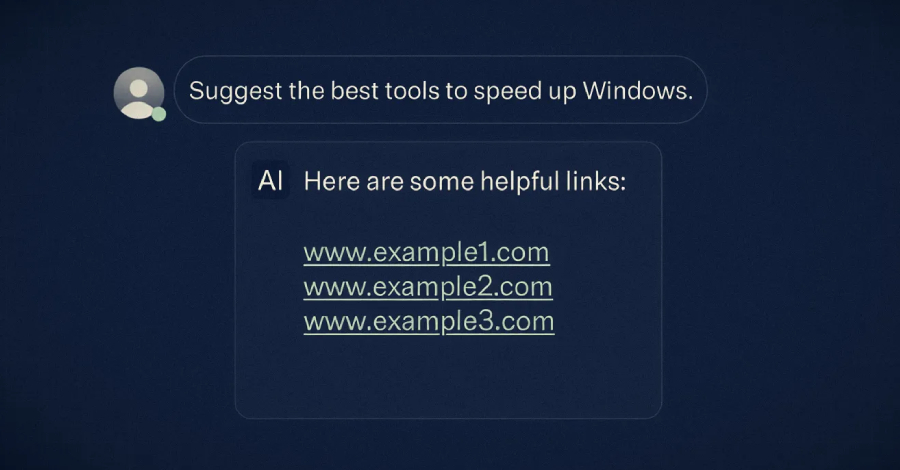
The conventional wisdom, the easy path for cybercriminals, has always been search engine optimization—SEO poisoning. Stuffing keywords, manipulating algorithms, hoping unsuspecting users would stumble upon a fake download link masquerading as the real deal. It’s a bit like setting up a fake lemonade stand on a busy street corner, hoping to trick thirsty passersby. But that’s old hat. Microsoft’s latest report paints a far more sophisticated—and frankly, unsettling—picture. Now, threat actors are gaming the very AI models that promise to deliver instant, personalized answers. Instead of wading through search results, users are asking their AI chatbots for software recommendations, and BAM—they’re being served links to malicious sites. It’s like asking a trusted librarian for a book and being handed a pamphlet leading you to a den of thieves.
This emerging delivery technique extends social engineering beyond conventional search results and increases the visibility of malicious software recommendations.
This isn’t just about a few stolen crypto coins. The campaign is remarkably targeted. These malicious sites are impersonating legitimate system utilities and hardware monitoring software—think CrystalDiskInfo, HWMonitor, Display Driver Uninstaller. The targets are likely users with high-performance GPUs, the kind that can actually make cryptocurrency mining worthwhile. The attackers aren’t just aiming for any old machine; they’re gunning for systems with the highest potential mining value, a strategic move to maximize their yield per compromised device. It’s like a burglar casing not just any house, but the one with the biggest safe.
But the plot thickens, and the motives aren’t purely financial. Beyond the immediate cryptocurrency grab, these bad actors are establishing persistent remote access to compromised hosts. They’re deploying tools like ScreenConnect, which opens the door for all sorts of nasty follow-on activities—data theft, lateral movement across networks, and even ransomware. This isn’t just about a quick cash grab; it’s about establishing a long-term foothold, a digital infestation.
The attack chain itself is a masterclass in stealth and technical execution. It begins with a user’s search for legitimate software. These searches then surface malicious sites gamed via SEO poisoning. But the key innovation here is the pivot to AI chatbots. Users querying these LLM-based tools for download recommendations are presented with links to attacker-controlled domains directly within the AI’s generated responses. While this behavior is based on observed patterns and correlated data sources, it’s consistent with emerging techniques in AI search result poisoning, representing an extension of traditional SEO poisoning beyond conventional search engines.
Each malicious site features a prominent download button, serving up a ZIP archive from a campaign-specific subdomain. This archive contains a seemingly legitimate executable alongside a rogue DLL. When the user launches the executable, the DLL is sideloaded, initiating a chain reaction. It installs a second malicious DLL, masquerading as a legitimate installer, which in turn deploys ScreenConnect.
Once ScreenConnect is in place, it ceaselessly attempts to connect to an attacker-controlled server. This connection acts as a conduit for another executable, SimpleRunPE.exe. This binary is the real persistence agent, setting up Registry Run keys and scheduled tasks, disabling Microsoft Defender exclusions (a move that makes it harder to detect), and running anti-analysis checks to foil security researchers. It then employs process hollowing—a technique where a legitimate process is used to host malicious code—to launch the actual mining code under the guise of a trusted Microsoft-signed binary. In some instances, a PowerShell script is used instead of ScreenConnect to fetch and launch the miner, creating a scheduled task and then vanishing without a trace.
The hollowed binary then communicates with the attacker’s server, transmitting extensive host information, downloading the appropriate miner at runtime (supporting popular options like gminer, lolminer, and SRBMiner-MULTI), and executing it. It’s a carefully orchestrated symphony of digital espionage and exploitation.
And just to be absolutely sure it sticks around, the binary recreates its persistence artifacts and re-configures Defender exclusions if they’re removed. It’s also smart enough to watch for system monitoring tools like Task Manager or Process Explorer and will immediately terminate the miner if any of them are detected. They’re not just building an escape route; they’re building a fortress.
This combination of AI-assisted delivery, software impersonation, and persistent access highlights how threat actors are adapting social engineering and monetization strategies to modern user behavior.
Is This The End of Trust in AI Assistants?
The implications here are profound. We’ve always assumed a certain level of inherent trustworthiness in the tools we use. Search engines, while susceptible to manipulation, have had layers of defense. But AI, with its promise of intelligent, synthesized information, occupies a different space. When the AI itself becomes the compromised element, directly leading users into harm’s way, it erodes a fundamental layer of trust. This isn’t just about a few bad actors; it’s about the potential for entire platforms of trusted interaction to become vectors of attack. It’s a paradigm shift, and we’re only just beginning to grasp its scope. The future isn’t just about AI making our lives easier; it’s about AI becoming a critical battleground for our digital security.
Why Does This Matter for Developers?
For developers building these AI models, this is a wake-up call. It means going beyond just optimizing for accuracy and helpfulness. Security must be baked in from the ground up. Think of it like building a skyscraper; you don’t just focus on the aesthetics, you pour a massive foundation to ensure it doesn’t topple. The same applies here. Developers need to develop strong mechanisms for identifying and mitigating malicious outputs, ensuring that the AI’s suggestions are not just intelligent, but also safe. The integrity of these platforms depends on it.
FAQ
What does this cryptojacking campaign do? This campaign uses AI chatbots to trick users into downloading malware. Once installed, the malware mines cryptocurrency using the victim’s computer resources and can also provide remote access for attackers to steal data or deploy ransomware.
How are AI chatbots being used in this attack? Attackers are manipulating AI chatbots so that when users ask for software download recommendations, the chatbot provides links to malicious websites instead of legitimate ones.
Is my AI chatbot at risk of being used for this? Any AI chatbot that provides recommendations or answers questions about software downloads could potentially be targeted. Microsoft has identified this as an emerging threat, so vigilance is key across various AI platforms.
🧬 Related Insights
- Read more: Fake iCloud Alerts Exploit Urgency, Demand Payment
- Read more: DHS Seeks Google Data on Canadian Critic